
A whole home renovation offers an opportunity to transform your property into a more comfortable and functional space. From outdated kitchens to worn floors and damaged walls, every improvement brings you closer to the home you envision. Unfortunately, extensive renovations also produce substantial amounts of debris that can quickly overwhelm your available space.
Without a proper cleanup plan, discarded materials can create obstacles throughout your property. Contractors need clear access to their work areas, and large piles of construction waste can interfere with daily progress. Whole-home renovation cleanup with a 30-yard dumpster offers a practical way to manage substantial debris and maintain a more organized worksite throughout your project.
Its generous capacity accommodates substantial debris from multiple rooms and reduces the need for frequent trips to disposal facilities. With careful preparation, you can keep your renovation organized from the first demolition task to the final cleanup.
Understand How Much Waste Your Renovation Will Produce
A complete home renovation creates more waste than many homeowners anticipate. Old materials can accumulate quickly as contractors remove outdated features and prepare each room for improvements. Even relatively minor changes across several areas can produce substantial amounts of discarded debris.
Before demolition begins, evaluate the overall scope of your project. Consider how much material contractors must remove and whether certain waste requires special disposal arrangements. This assessment helps you select a dumpster that can accommodate your renovation debris without unnecessary interruptions.
Find the Best Location for Your Dumpster
Where you place your dumpster can make a noticeable difference throughout your renovation. A convenient location allows contractors to remove debris without unnecessary trips across your property. Your driveway may provide enough space, provided the surface can support the container and delivery truck.
Accessibility deserves careful attention before delivery. The rental company needs adequate clearance to position and retrieve the dumpster safely. You should also consider potential obstacles near the delivery area and whether local regulations require a permit for your chosen location.
Choose a Dumpster That Matches Your Renovation Needs

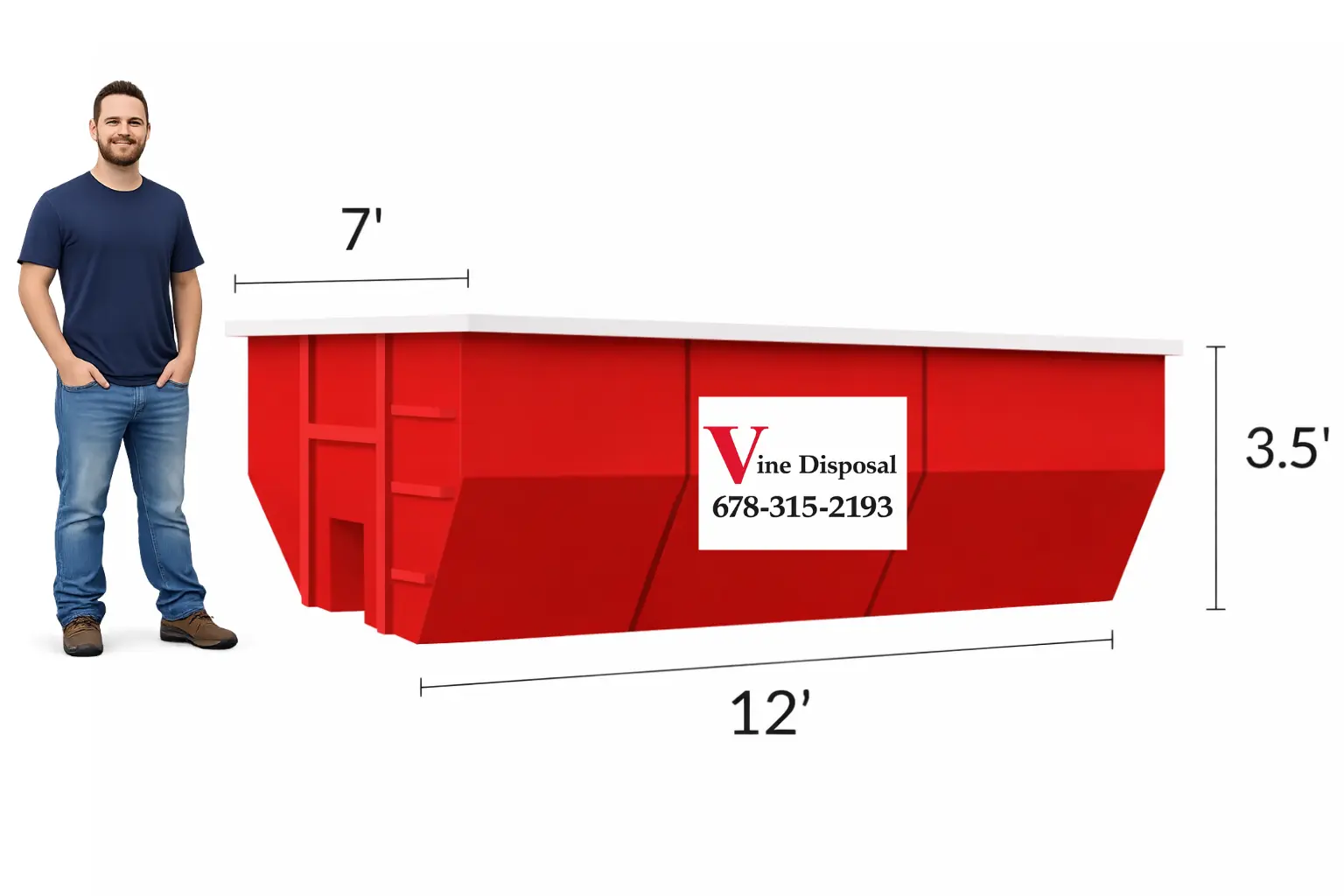
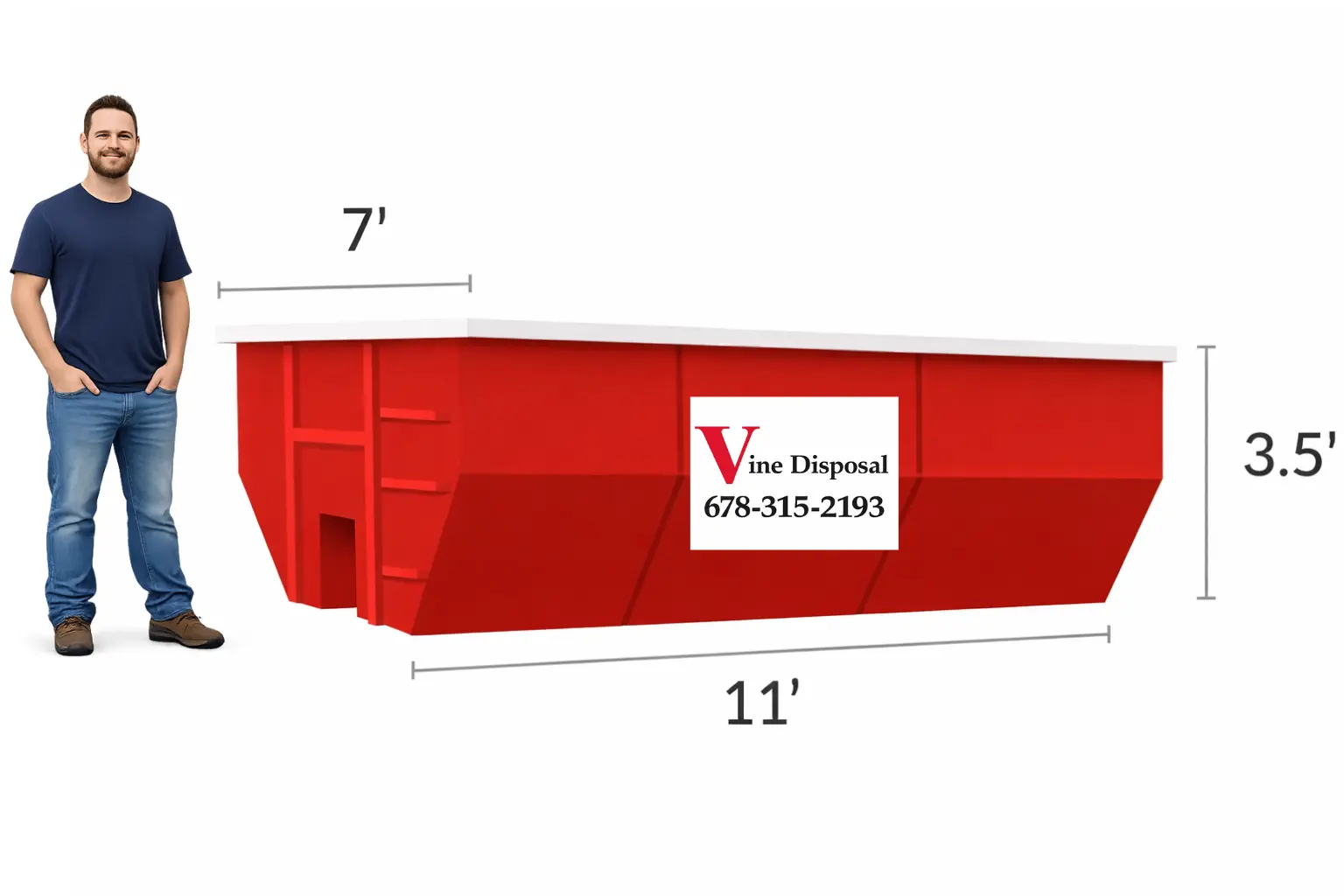
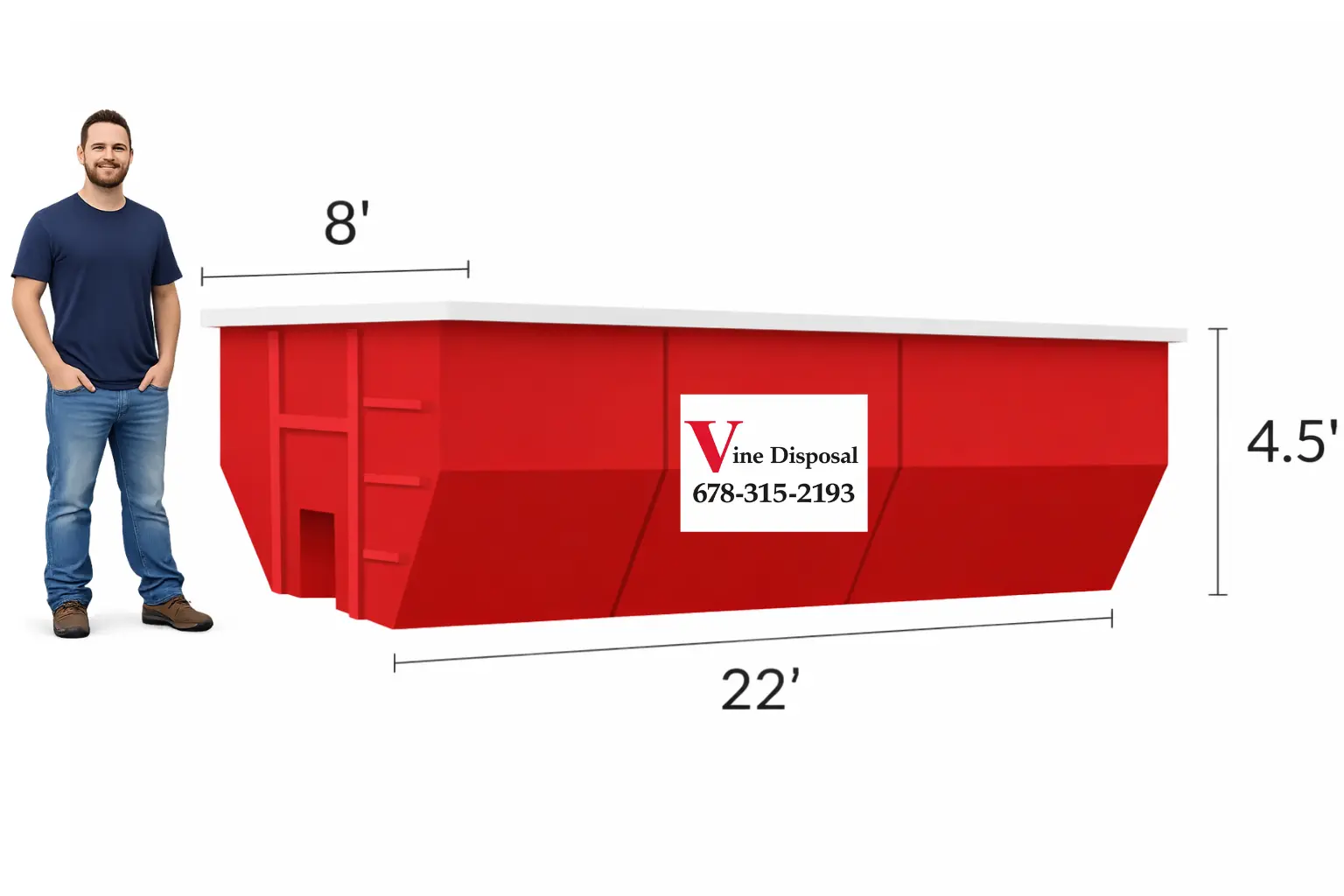
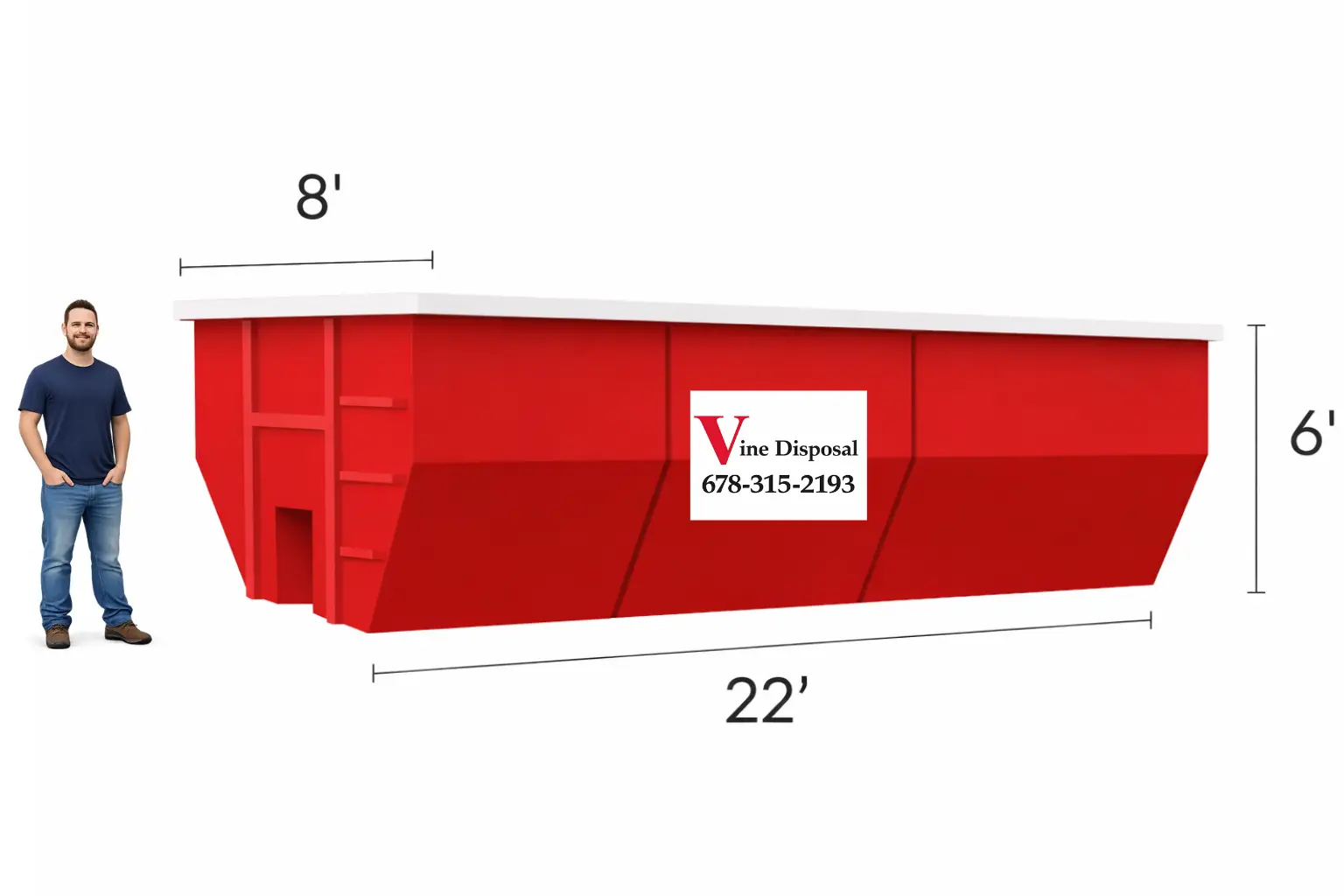
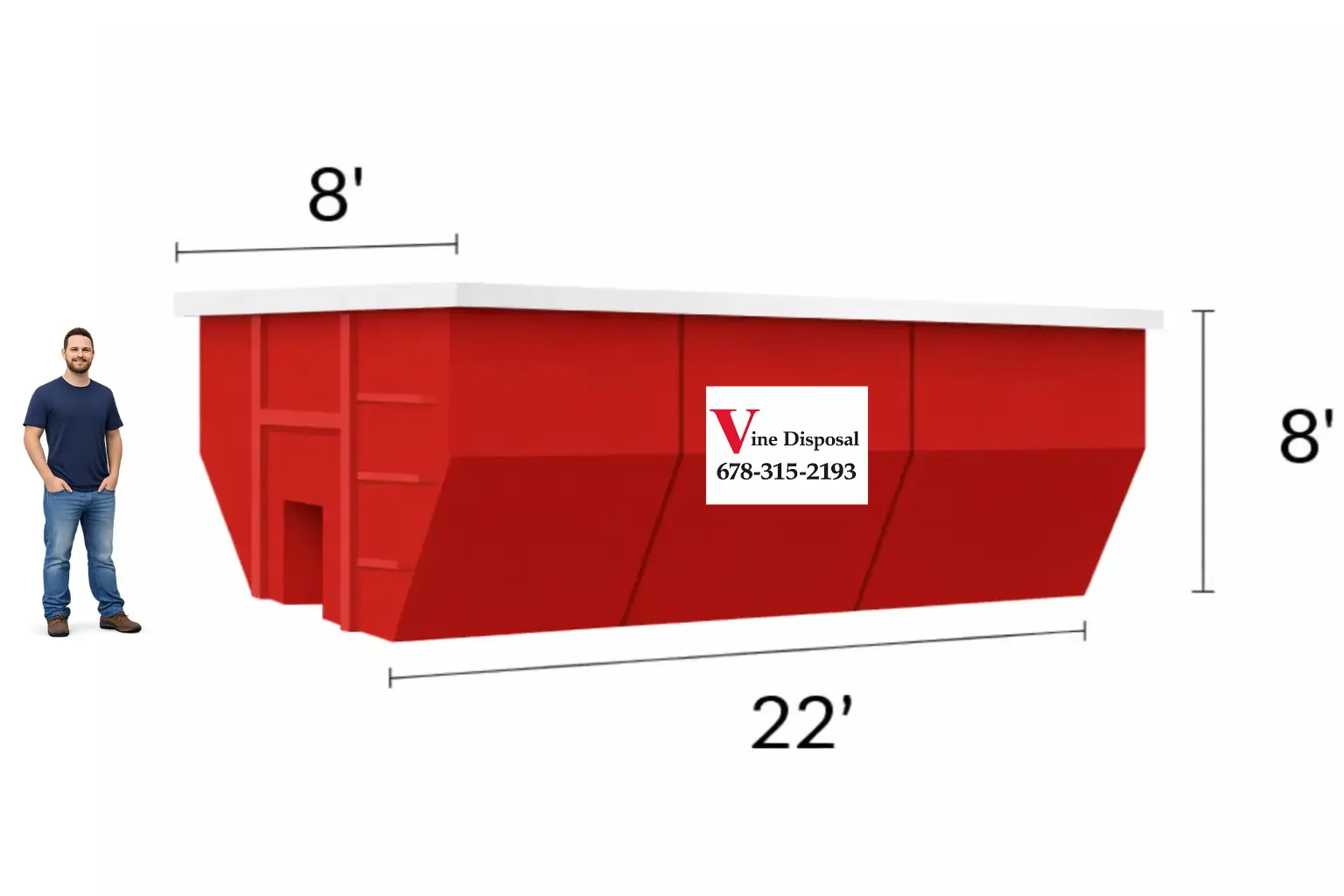
Not every dumpster can accommodate the waste from an extensive home renovation. Smaller containers may work for individual room updates, but major projects often demand greater capacity. A 30-yard roll-off dumpster rental is the best solution to manage substantial construction debris without frequent container exchanges.
A standard 30-yard dumpster holds approximately 30 cubic yards of material. This capacity makes it suitable for many extensive residential renovations, particularly those with substantial amounts of bulky debris. The total weight matters just as much as the available space, especially when your project involves dense construction materials.
Coordinate Waste Disposal With Your Renovation Schedule
Every renovation follows a different timeline. Demolition may produce substantial debris within a few days, but later construction phases can create additional waste across several weeks. Your dumpster rental should accommodate the entire period when contractors expect to remove large amounts of material.
Arrange delivery before demolition begins. This allows your team to dispose of unwanted materials immediately rather than leave piles throughout the property. If your renovation takes longer than expected, contact the rental provider about an extension before your scheduled pickup date.
Keep Demolition Debris Under Control
Demolition can transform an organized home into a cluttered worksite surprisingly fast. Once contractors remove outdated fixtures or damaged materials, debris can occupy valuable floor space. Without an accessible disposal container, these materials may interfere with the next phase of construction.
A large dumpster gives your crew a dedicated location for unwanted materials. Encourage regular debris removal instead of allowing waste to accumulate throughout the day. This approach helps maintain clear work areas and reduces the effort necessary for major cleanup tasks later.
Maintain a Safer Renovation Environment
Construction debris can create serious obstacles throughout your home. Discarded materials may obstruct pathways or create hazards for anyone who enters the property. Keeping these materials away from active work areas helps reduce unnecessary risks.
Establish clear expectations for waste disposal before contractors begin their tasks. Everyone should know where debris belongs and how to handle materials that require special attention. A consistent cleanup routine allows your renovation crew to move through the property without excessive clutter.
Pay Attention to Heavy Construction Materials

A 30-yard dumpster offers generous space, but that does not mean every renovation material belongs inside it. Dense construction debris can add considerable weight without occupying much room. These materials may cause the container to exceed its permitted weight allowance before it reaches full capacity.
Before disposal, ask your rental provider about restrictions for heavy debris. Some projects may require separate containers or alternative disposal arrangements. Understanding these requirements early helps you avoid additional charges and prevents complications when the rental company collects the dumpster.
Use Your Dumpster Space Efficiently
Even a large dumpster can fill faster than expected when contractors discard bulky materials without a clear plan. Oversized objects may occupy considerable space and leave unused gaps throughout the container. Careful placement allows you to accommodate more debris without unnecessary container exchanges.
Distribute materials evenly throughout the dumpster and break down suitable objects when safe. Avoid debris piles that extend above the permitted fill line. Your rental provider may refuse collection if the container exceeds its limits, and an additional visit could increase your overall expenses.
Avoid Unexpected Waste Disposal Costs
A renovation budget should account for waste disposal from the beginning. Homeowners sometimes underestimate debris volume and discover that their original container cannot accommodate the entire project. Additional rentals or unexpected service charges can increase expenses beyond the initial estimate.
Review your rental agreement before deciding. Pay particular attention to the terms that determine how much waste you can dispose of during the rental period. A clear understanding of these requirements helps you choose a practical arrangement that fits your renovation schedule and budget.
Prepare Your Property for Final Dumpster Collection
As your renovation approaches completion, contractors may still produce debris from final adjustments and minor repairs. Keep the dumpster available until the major construction tasks are complete. Premature removal could leave you without a convenient disposal option during the final cleanup.
Before collection, inspect the dumpster and the area around it. Confirm that the container meets its fill restrictions and that the delivery truck has clear access. Once the rental provider removes the dumpster, you can focus on the final details of your renovated home.
Whole home renovation cleanup with a 30-yard dumpster can make extensive property transformation much easier to manage. Major renovations produce substantial debris, and a reliable disposal plan helps prevent that waste from interfering with construction. Instead of dealing with constant clutter, you can maintain a more organized worksite throughout the project.
Vine Disposal can help you find the right dumpster rental for your whole home renovation. Whether you plan a major demolition or a complete interior remodel, their dumpster rental options can accommodate substantial amounts of construction debris. With Vine Disposal, you can choose a container that matches your project's waste disposal needs and maintain a cleaner, more organized property throughout the renovation.