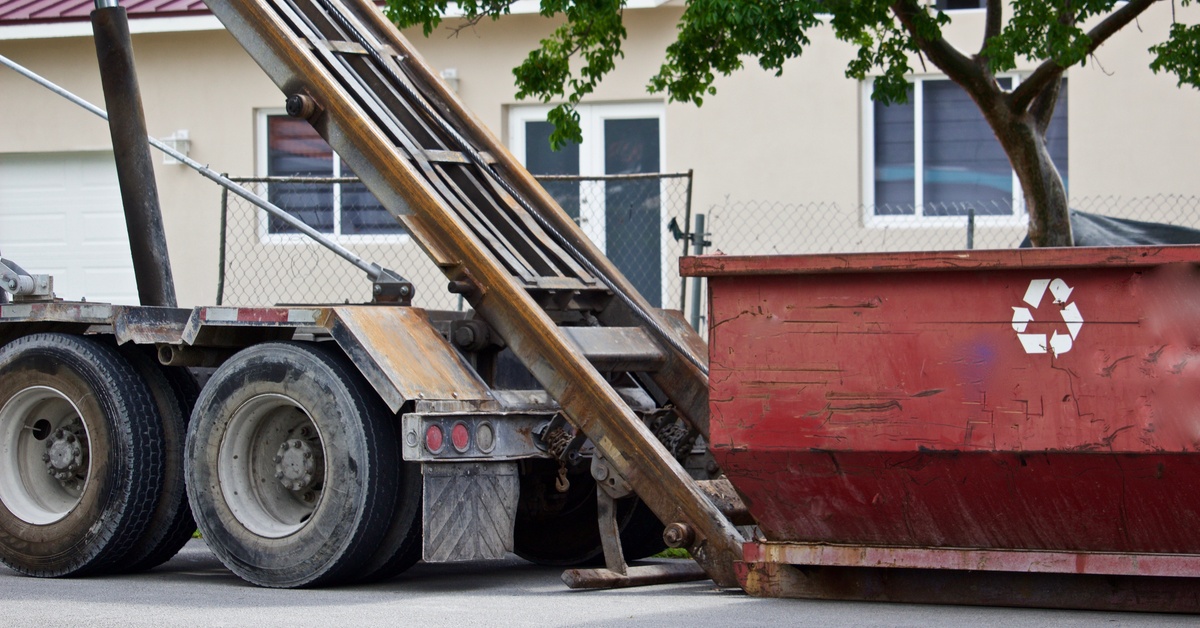
Every residential or commercial project creates waste, but the amount can become difficult to control without a clear plan from the start. Debris often appears faster than expected once walls come down, or crews begin major site work. A roll-off dumpster provides one central place for that waste and helps the entire project maintain a more organized flow.
Good preparation starts well before the container arrives. Project leaders must understand how the work will develop and how debris may affect the space as each phase progresses. A thoughtful roll-off dumpster rental project planning checklist keeps waste removal connected to the actual pace of the project instead of treating disposal as a separate concern.
Understand the Project Before Work Starts
Every project has its own waste pattern. A home renovation can create substantial debris within a small area, especially once crews remove flooring or outdated fixtures. Commercial work can produce waste across a much larger property where several crews may use the same disposal area.
Look at the entire project rather than one phase. Demolition may create the heaviest volume early, but later work can continue to add old materials and discarded project debris. A complete view helps establish a waste plan that remains practical as the project moves from one stage to another.
Develop a Realistic Debris Estimate
Waste can quickly exceed expectations when estimates rely only on the physical size of a room or property. A small renovation may contain dense materials that consume container weight capacity before the dumpster appears visually full. Larger projects can create bulky debris that occupies significant space even when individual materials remain relatively light.
The type of work provides valuable context for an accurate estimate. A bathroom remodel creates a different waste profile from a roof replacement or major commercial demolition project. Share those details with the rental provider before the reservation because accurate information helps establish a more suitable disposal plan.
Choose a Container That Fits the Work
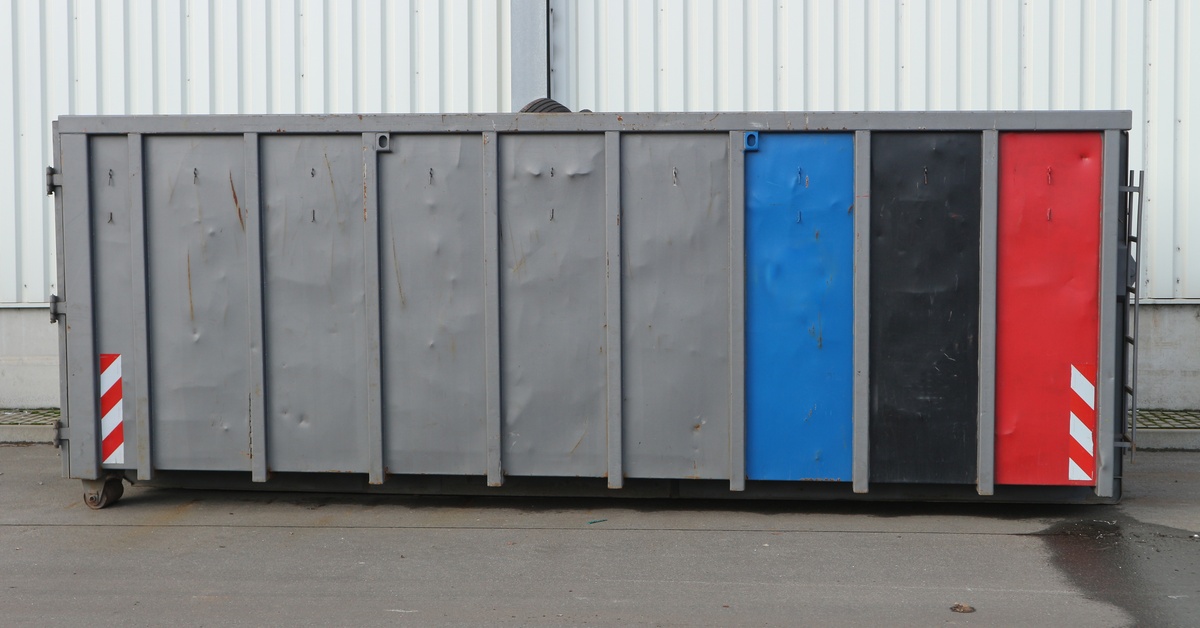
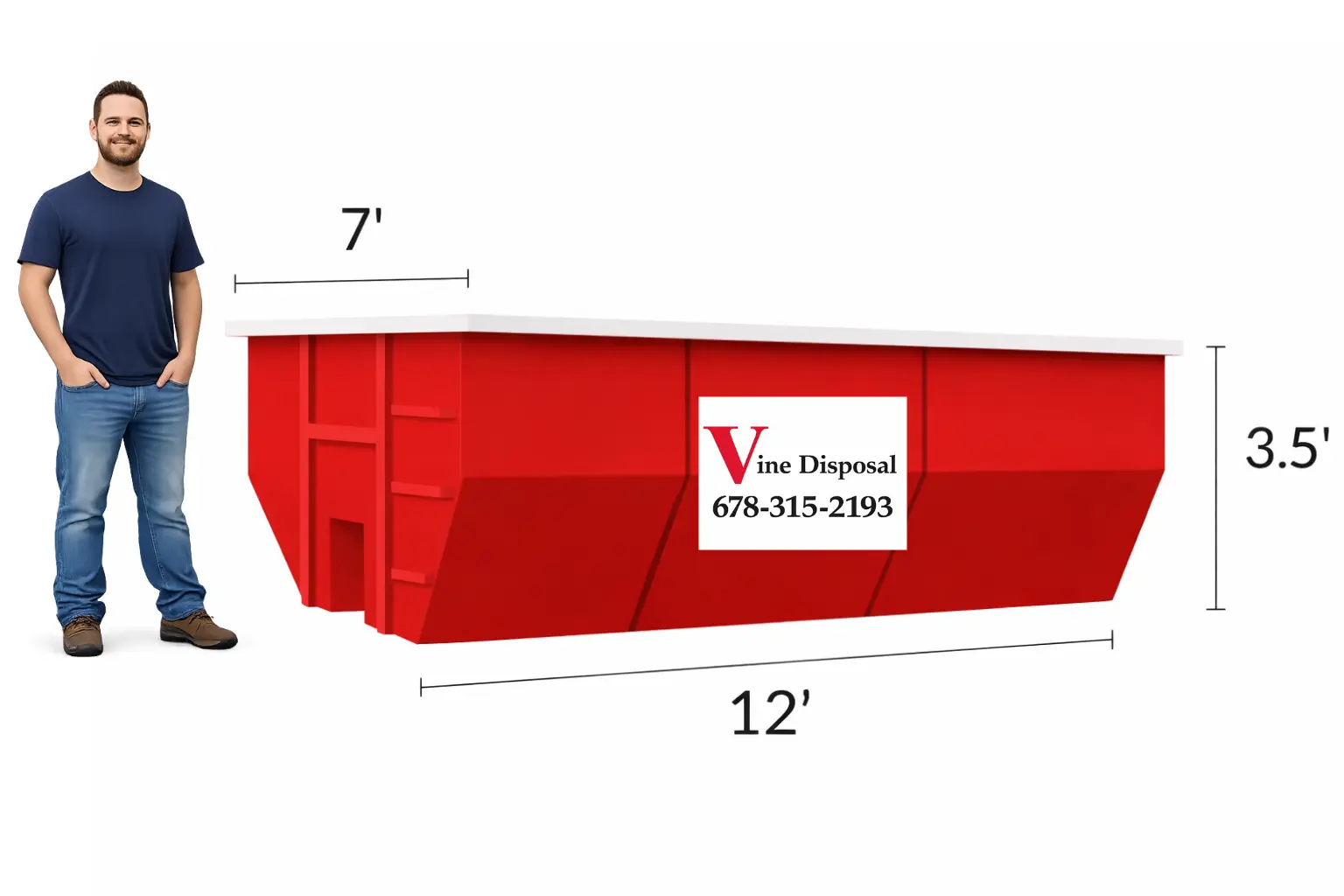
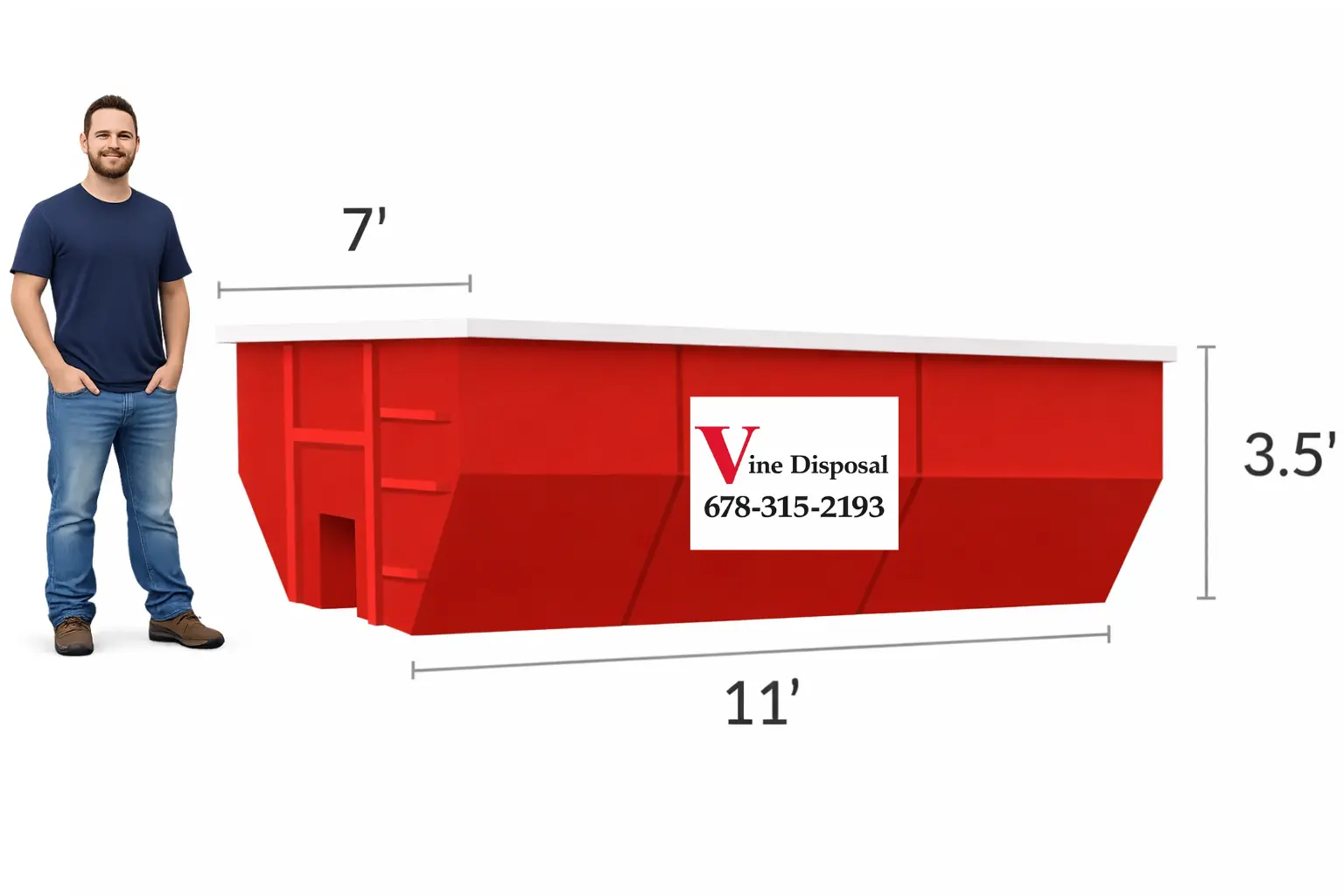
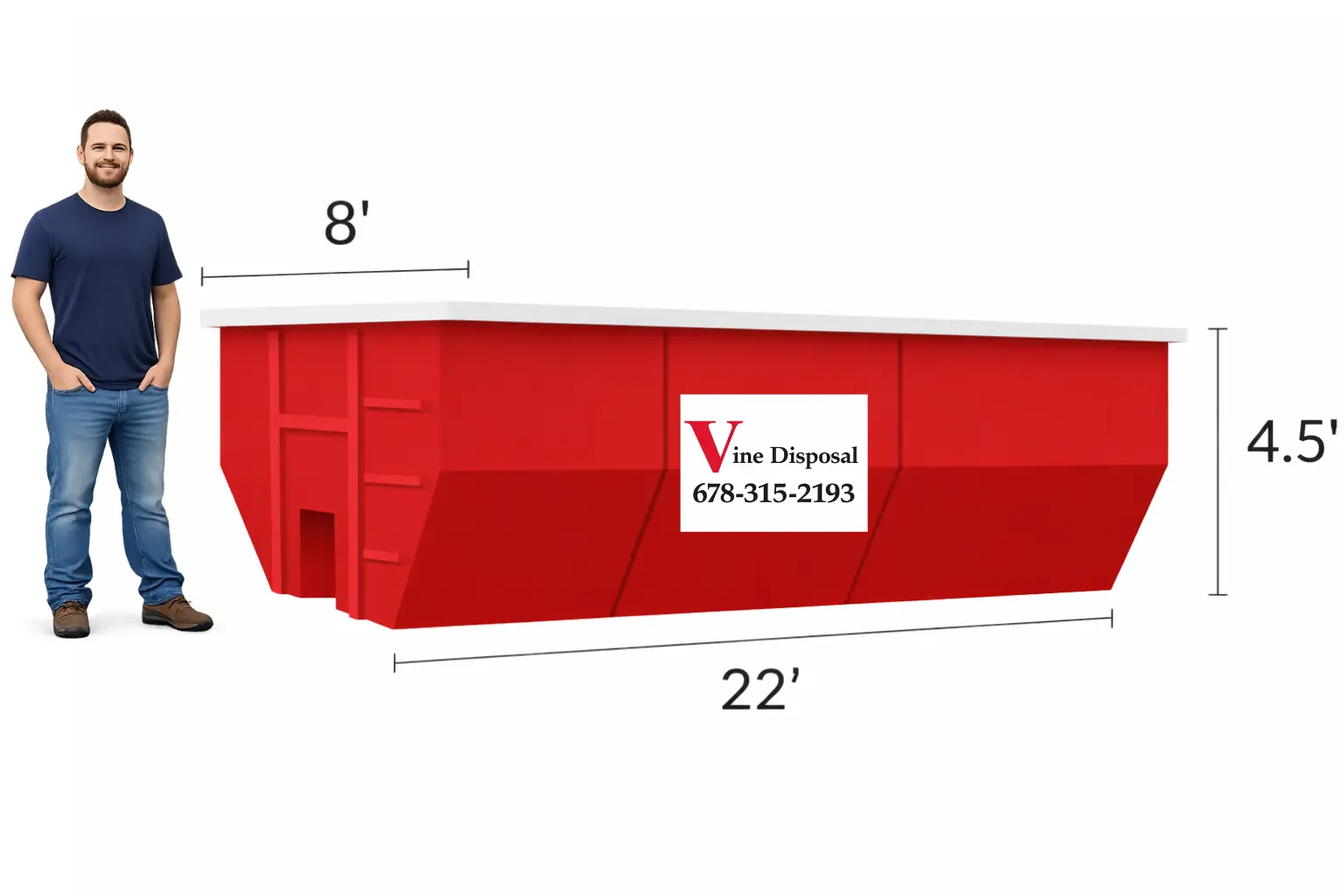
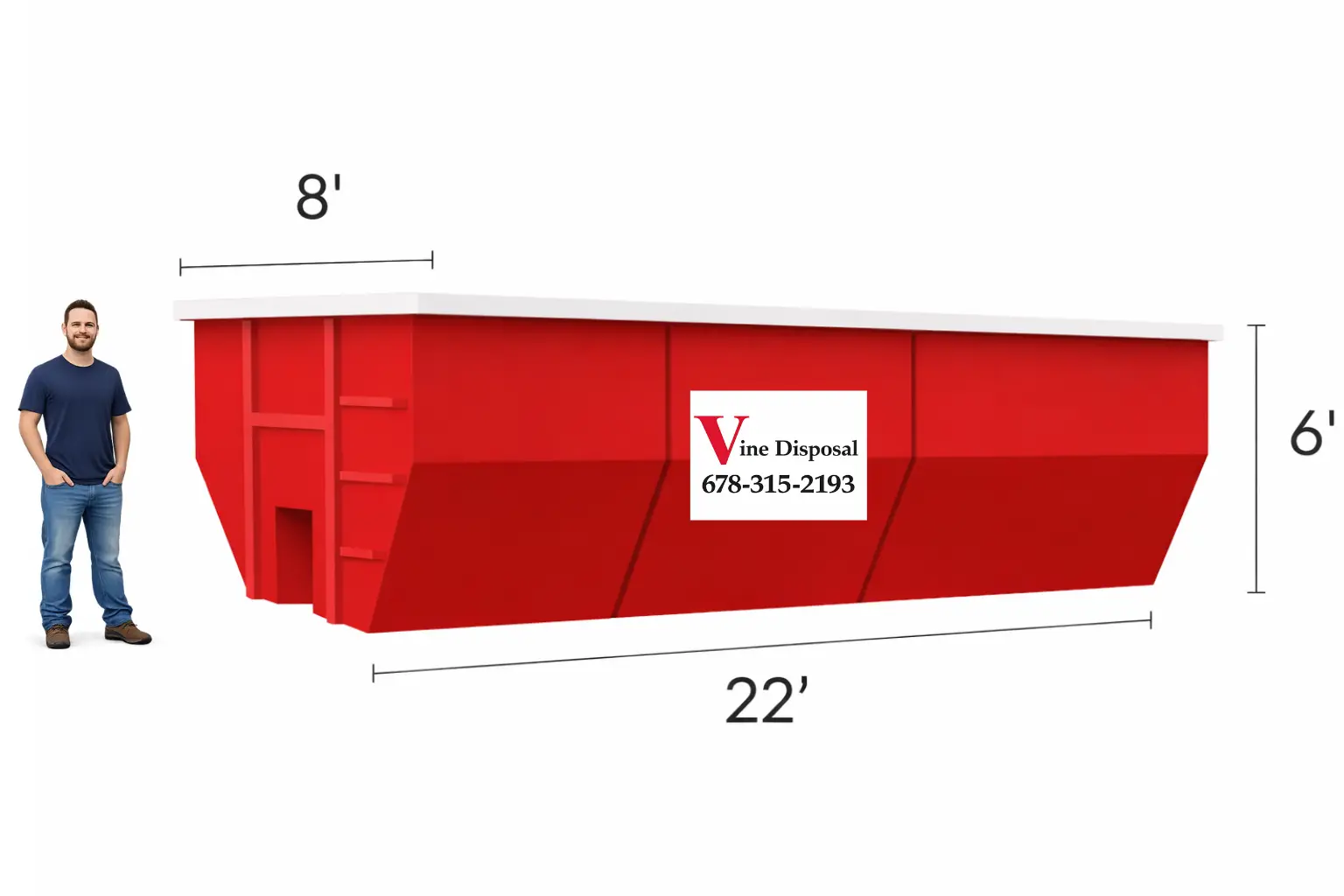
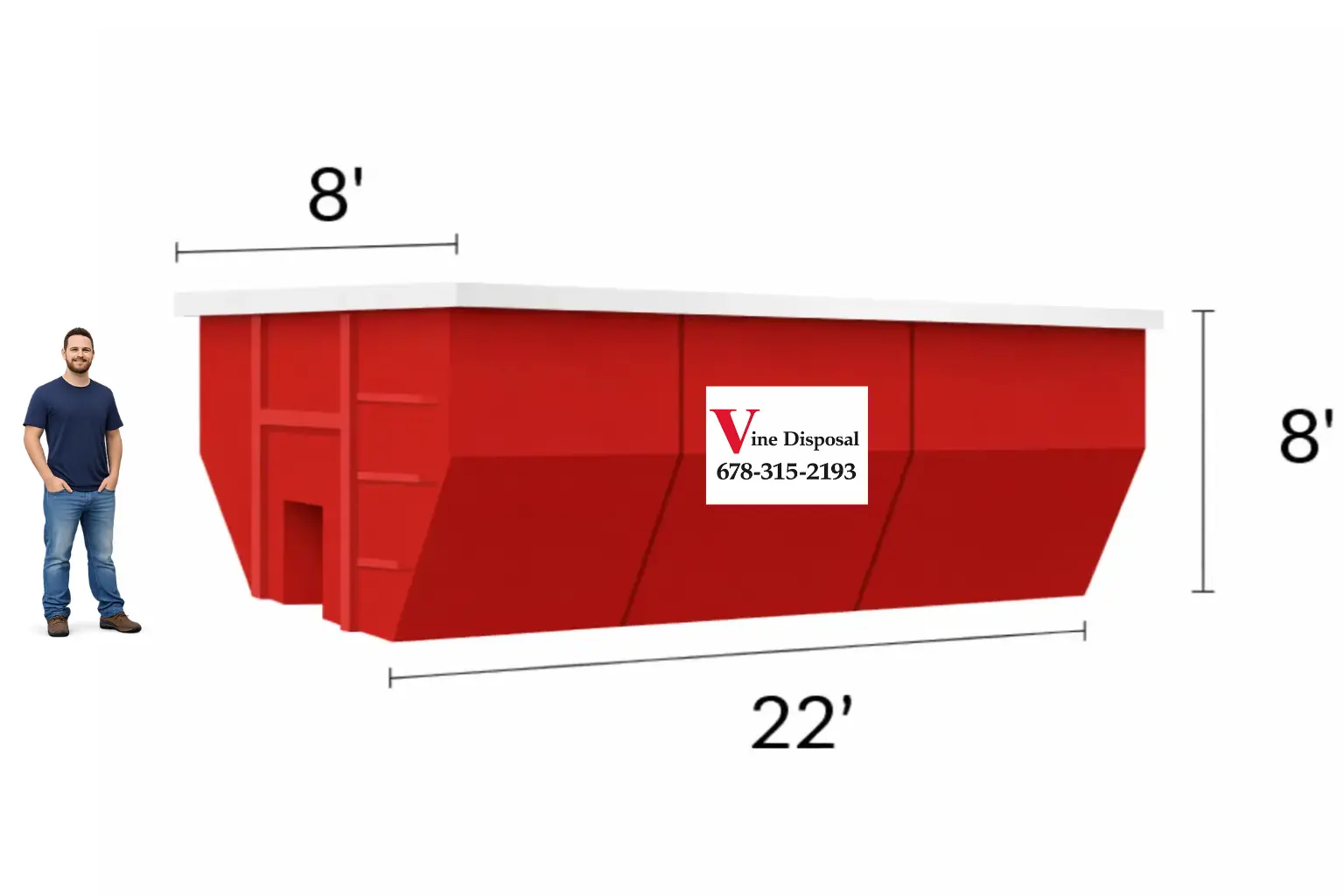
Container capacity should reflect the actual project rather than an assumption about what seems large enough. Too little space can interrupt work once crews have nowhere appropriate to place additional debris. Excessive capacity can also consume property space that contractors need for vehicles and normal site access.
Professional support can make this decision much easier. A professional dumpster rental company will assess the expected waste and recommend a container that supports the project without unnecessary complications. Explain the project scope clearly and provide details about the material crews expect to remove from the property.
Give the Dumpster Enough Space
A dumpster needs more than an empty spot on the property. Delivery trucks require adequate room to approach the location and place the container without contact with structures or other obstacles. The surface must also support substantial weight once crews begin to fill the container.
Residential driveways often provide a convenient location, but space can become limited when contractors also need access throughout the project. Commercial properties may offer larger areas, though daily operations can make placement more complex. The best location keeps the dumpster accessible without allowing it to dominate normal movement across the property.
Address Site Rules Before Delivery
Local requirements can affect where a roll-off dumpster may remain throughout a project. A container on private property may face different requirements from one placed along a street or another public area. Confirm applicable rules before delivery rather than address an unexpected restriction once the container reaches the site.
Commercial properties can have additional requirements established through landlords, property managers, associations, or internal site policies. Residential communities may also impose placement restrictions that deserve attention before the rental begins. Early communication gives property owners time to resolve these matters without disrupting the scheduled delivery date.
Keep Disposal Appropriate for the Container
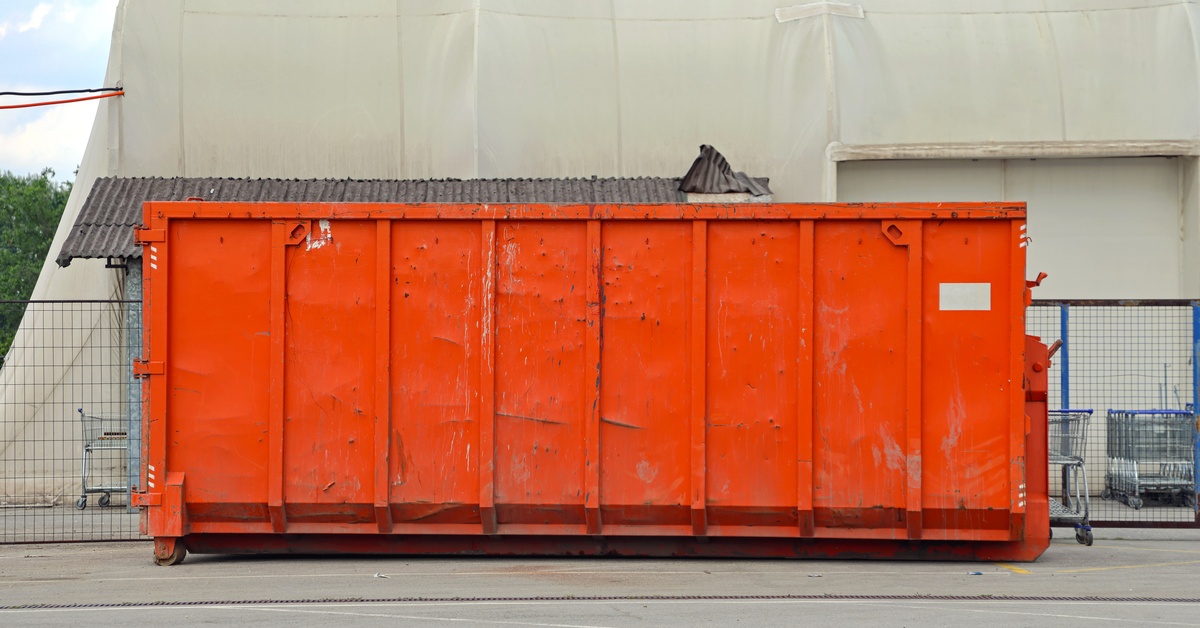
Not every type of project waste belongs inside a standard roll-off dumpster. Rental providers may restrict certain materials due to disposal regulations or specific service policies. Tell the provider what the project will produce before crews place any debris inside the container.
Clear communication becomes especially important when several people use the same dumpster. Contractors may not know the rental terms unless the project leader explains what belongs inside the container. A simple conversation before work starts can prevent unsuitable materials from becoming part of the waste load later.
Create a Natural Waste Flow
Debris should have a clear path from the work area to the dumpster. When crews understand where waste belongs, discarded materials are less likely to spread across active spaces or remain near entrances. This approach matters even more as several contractors move through the property during different phases.
Commercial sites often require greater coordination because separate teams can create waste in different areas at the same time. Residential projects can face similar challenges during larger renovations with several trades present. Keeping the dumpster accessible gives crews a consistent destination for debris without forcing waste removal to interfere with their work.
Watch the Dumpster as Work Progresses
Initial waste estimates provide a useful starting point, but actual project conditions can change. Hidden materials may appear during demolition, project scope may expand, or crews may remove more debris than anyone expected. The container can reach its approved capacity much faster under those circumstances.
Check the dumpster regularly rather than wait until there is no space left. Contact the rental provider before capacity becomes a problem if the project clearly requires another service. Early communication allows waste removal to remain connected with the project schedule instead of forcing crews to work around an overloaded container.
Prepare the Site for Container Removal
The rental process does not end when crews place the last piece of debris inside the dumpster. The pickup vehicle still needs clear access to reach the container and remove it safely from the property. Equipment or leftover materials can complicate that final visit.
Take a final look around the container before the scheduled pickup. Debris should remain within the approved fill level, and the surrounding area should allow the driver to complete removal without unnecessary interference. Good final preparation gives the waste process a clean finish and lets the property move toward its next phase.
A successful roll-off dumpster rental planning checklist begins with a clear understanding of how waste fits into the entire residential or commercial project. Good preparation keeps debris from becoming an unexpected problem as crews move through renovation or general property cleanup. The dumpster becomes part of the project itself rather than an isolated service that receives attention only when waste starts to accumulate.
Reliable service also matters when project schedules depend on prompt delivery and removal. Vine Disposal is an excellent option for dumpster rentals because its professional service helps customers match dependable waste support with the real demands of their projects. With the right rental partner in place, property owners and project managers can maintain a cleaner path from the first workday through final cleanup.