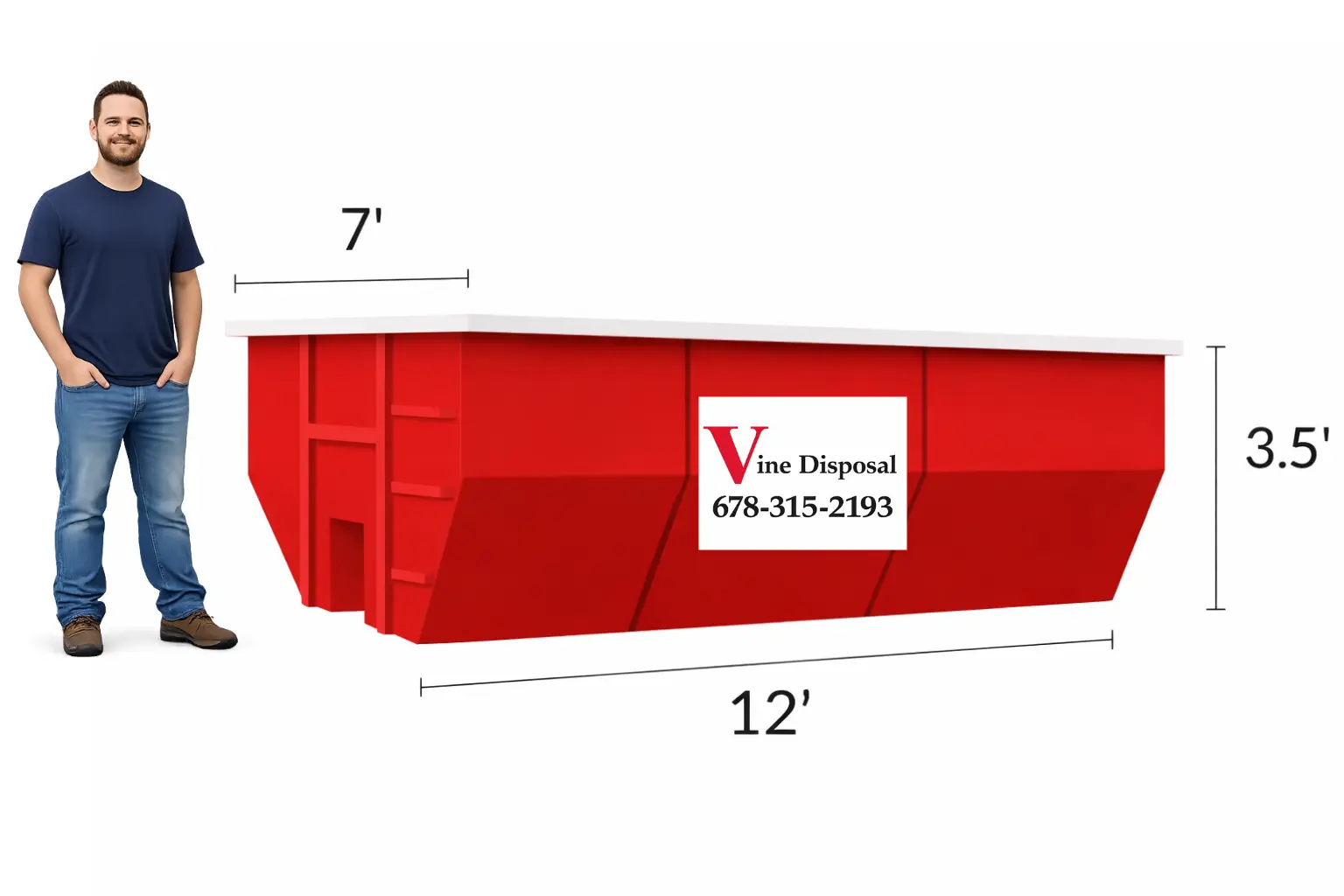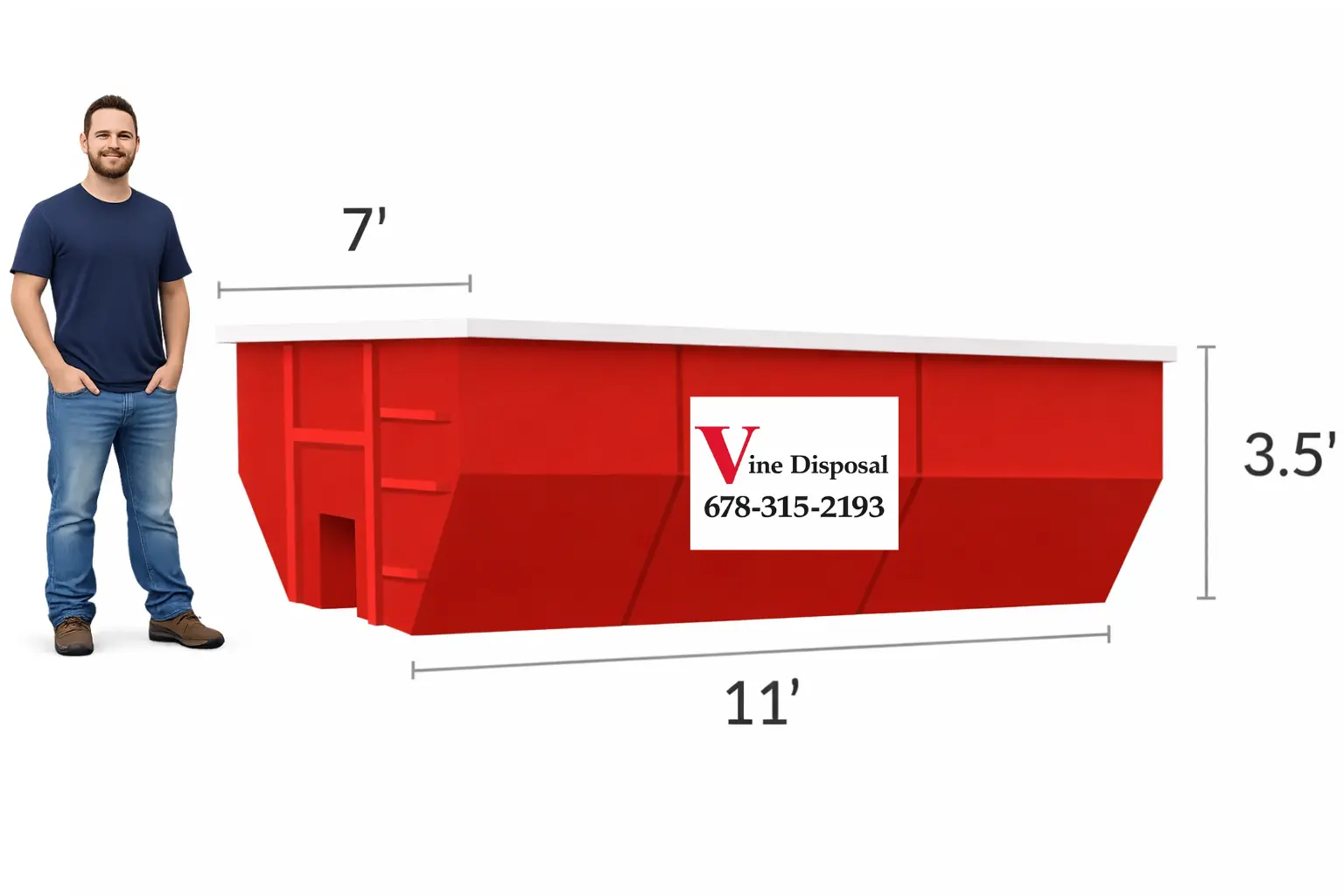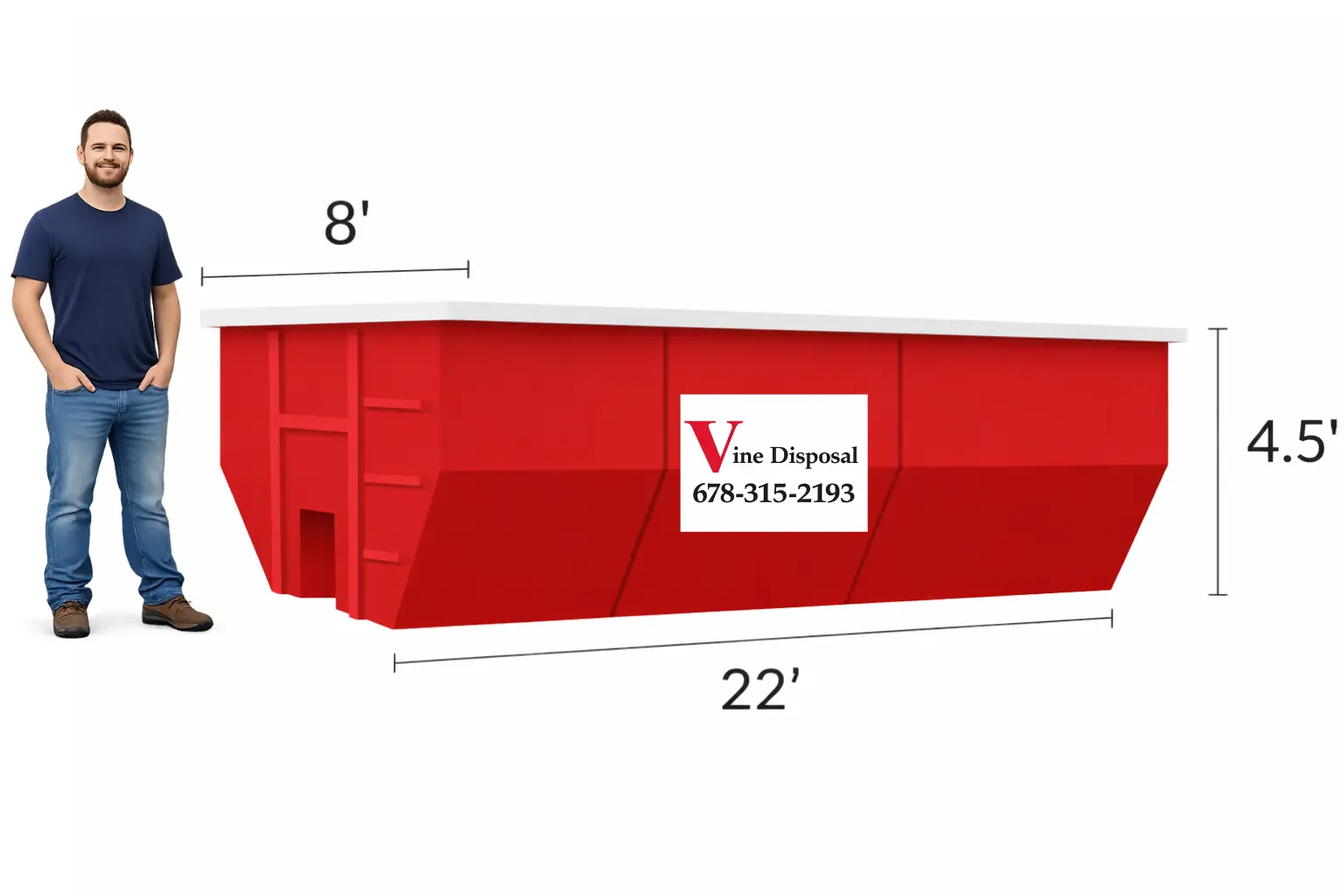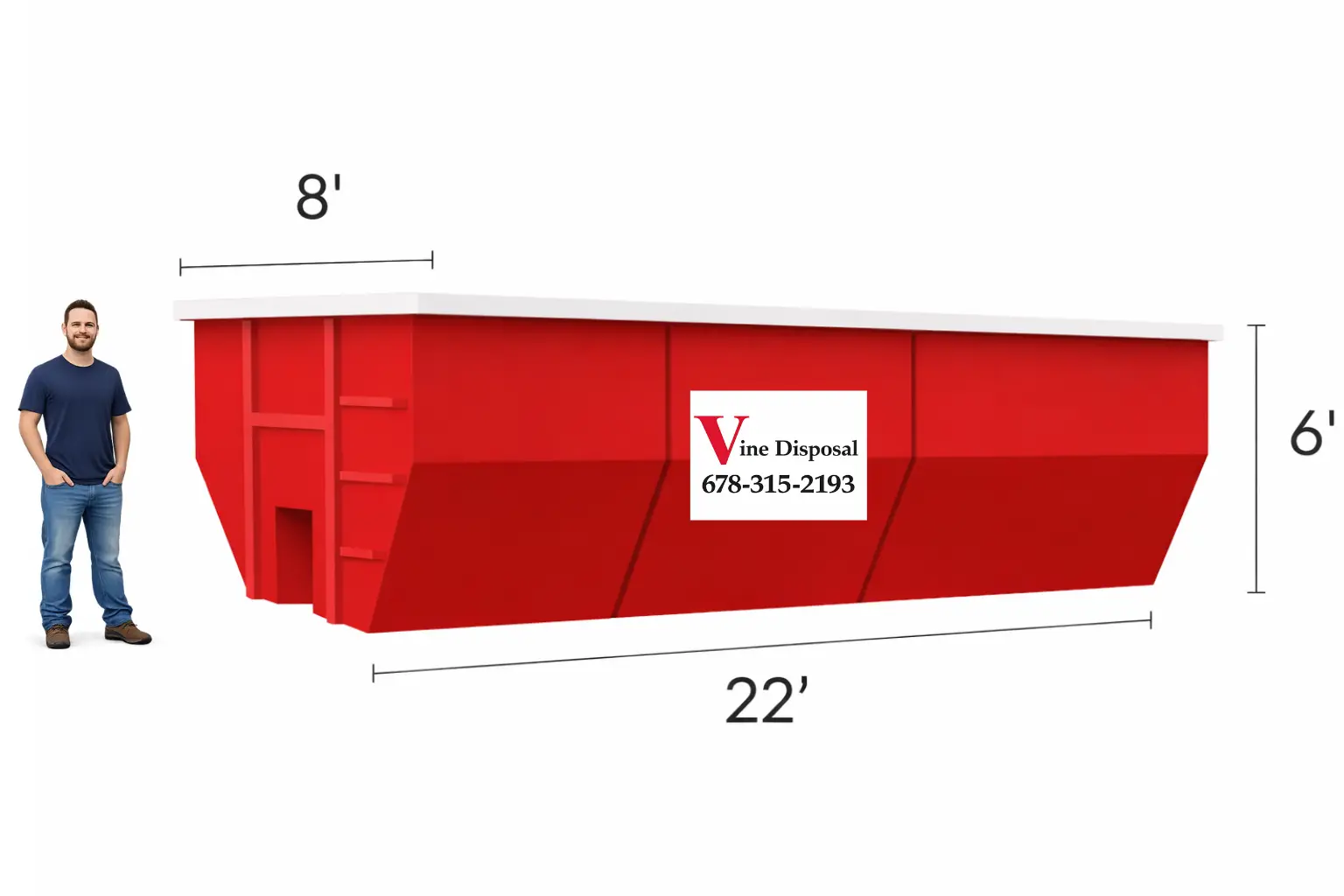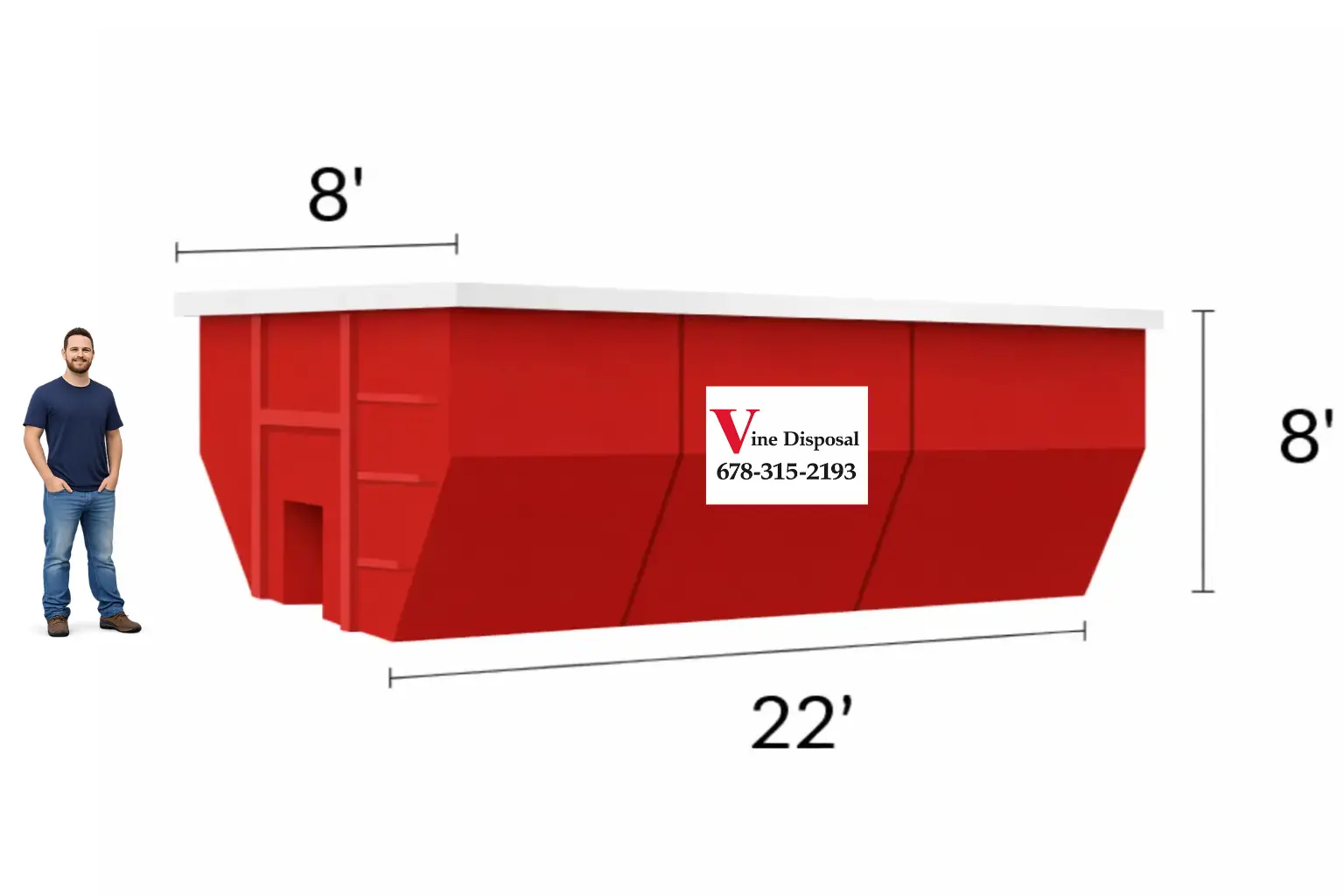
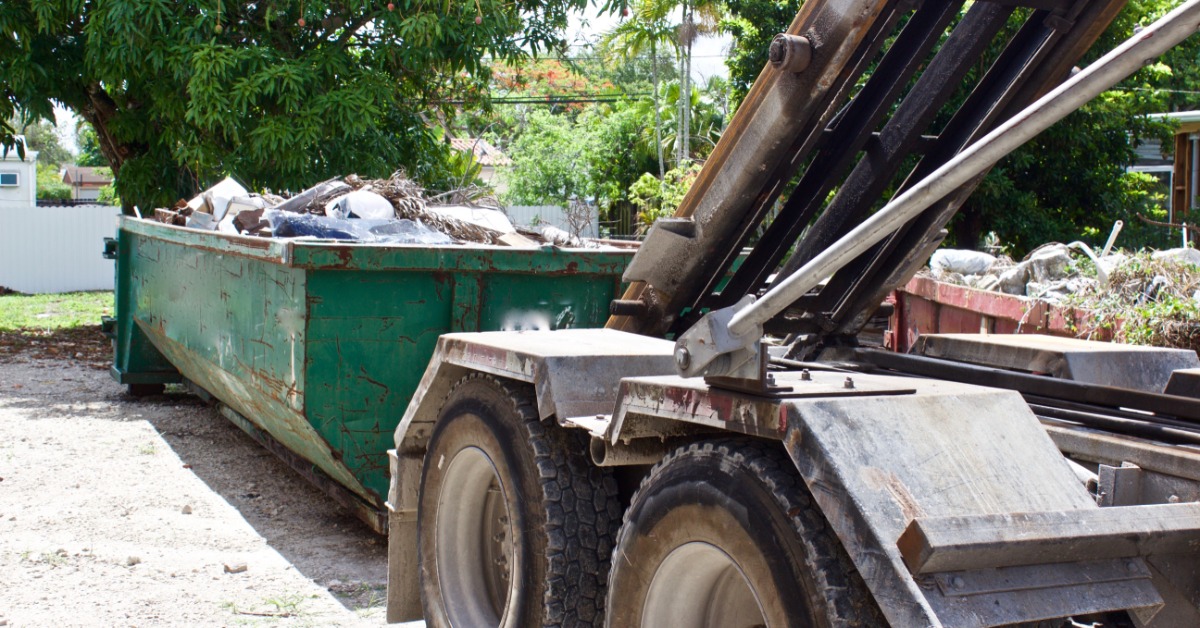
An office cleanout can quickly become more complicated than expected. Years of accumulated materials may occupy valuable space, and removing everything without a clear disposal process can create unnecessary confusion. Commercial roll-off dumpsters provide a central location for approved waste, allowing businesses to keep the project controlled from the first removal through final cleanup.
Companies often need cleanouts when their workplace enters a period of significant change. A relocation or renovation can leave substantial amounts of material that ordinary trash service cannot reasonably accommodate. With a suitable dumpster available on the property, crews have direct access to a disposal point throughout the project.
Preparation makes the difference between an orderly cleanout and a disruptive one. Managers need to understand the amount of waste involved and determine how crews can move it through the property without interfering with normal operations. Thoughtful office cleanouts with commercial roll-off dumpsters will help keep the office more manageable as unwanted materials leave the space.
Understand the Scope Before Work Starts
Every office cleanout has a different scale. A small workplace may require only a modest amount of waste removal, whereas a larger commercial property can produce substantial debris. Reviewing the space first gives managers a more accurate idea of what the project will require.
Areas that receive little daily attention can contain more unwanted material than expected. Years of accumulation may remain unnoticed until a company decides to clear the entire workplace. A careful assessment reduces surprises once the removal process begins.
Match Dumpster Capacity to the Cleanout
The right dumpster should provide enough room for the expected waste without creating unnecessary complications. Capacity becomes especially important when an office contains large furniture that occupies considerable container space. An accurate estimate helps the project progress without an unexpected shortage of disposal space.
Businesses should consider the overall scale of the cleanout rather than rely only on office square footage. A relatively small workplace can still produce substantial waste after years of use. Matching container capacity to actual disposal needs creates a smoother process from start to finish.
Create a Direct Disposal Process
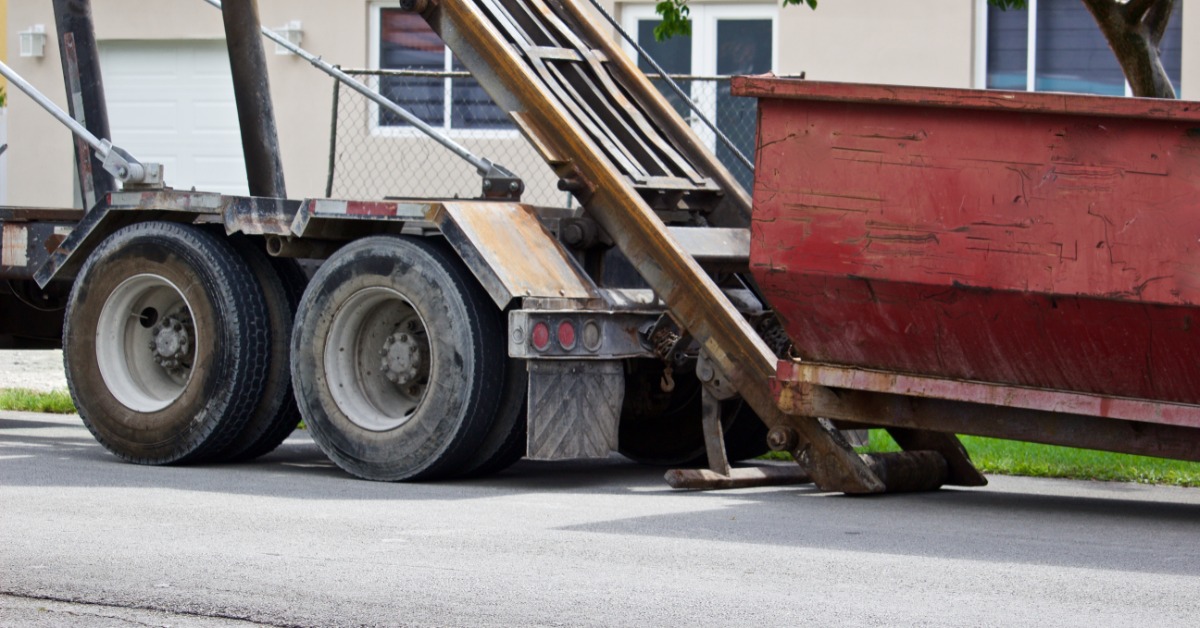
Clear direction helps employees and cleanup crews understand how waste should move through the property. Without an established process, unwanted materials can remain in work areas and make the office harder to navigate. A direct route toward the dumpster keeps debris from spreading across the property.
Renting quality commercial roll-off dumpsters is part of a strategy to maintain a controlled destination for approved waste throughout an office cleanout. Crews can remove unwanted materials from each area and transfer them directly to the container outside. This approach keeps the workplace more orderly as the project advances.
Find a Practical Location for the Dumpster
Dumpster placement can have a noticeable effect on the pace of a commercial cleanout. Crews need convenient access without blocking important parts of the property or disrupting normal business traffic. A suitable location creates a straightforward route between the office and the waste container.
Distance can make a major difference when crews repeatedly move heavy materials outside. An inconvenient location adds unnecessary effort and can make the cleanout harder to control. Thoughtful placement gives workers a more direct path and keeps waste movement concentrated within a defined area.
Make Large Furniture Easier to Remove
Office furniture can quickly consume available dumpster space. Large pieces may also prove difficult to move through narrow interior areas if crews attempt to remove them without preparation. Breaking suitable furniture into manageable sections can make disposal easier and preserve more usable container space.
Careful removal also protects the workplace itself. Heavy furniture can strike interior surfaces when crews have limited room to maneuver through the office. A controlled process helps prevent avoidable property damage before the space receives its next use.
Address Electronic Waste Separately
Older offices often contain electronic equipment that no longer serves a practical purpose. Some of these materials require special disposal methods and should not enter a standard commercial waste container. Businesses should identify such equipment before general debris removal begins.
Company information can remain on electronic devices even after employees stop using them. Proper data removal deserves attention before equipment leaves the workplace for final disposal. Addressing this issue separately allows the main office cleanout to continue without compromising sensitive information.
Keep the Workplace Functional
Not every business can suspend operations until an office cleanout ends. Employees may continue their regular duties as crews clear unused areas elsewhere on the property. A controlled approach helps preserve access to active workspaces without allowing the project to interfere with normal routines.
Communication can make this process far easier for everyone involved. Employees who understand when their work area will require attention can prepare before cleanup crews arrive. That preparation reduces confusion and helps the company maintain productivity throughout the project.
Respect Dumpster Requirements
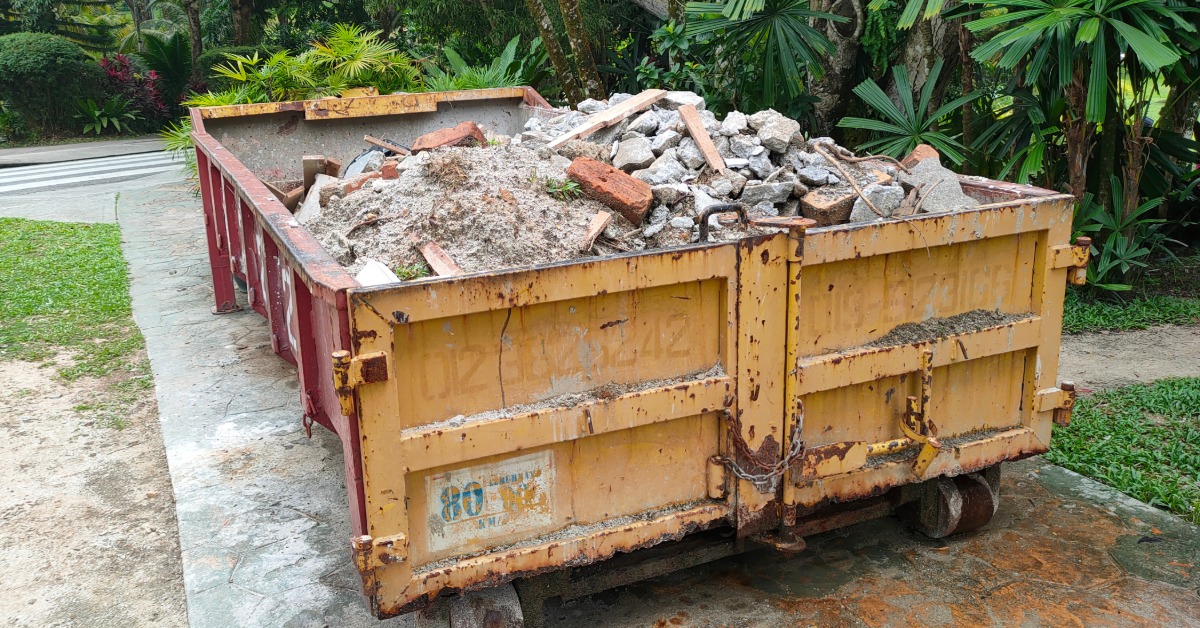
Commercial dumpsters come with specific disposal requirements that businesses need to understand before a cleanout starts. Certain materials may require another disposal method because standard waste facilities cannot accept them through normal commercial service. Confirming those requirements early prevents unwanted complications once the dumpster begins to fill.
Container weight also deserves careful attention. A dumpster may appear to have available space even when its contents have already created substantial weight. Understanding service requirements helps businesses use available capacity responsibly throughout the project.
Protect the Property During Removal
Waste removal should not create unnecessary damage inside the office. Large objects can become difficult to control as workers move them through confined spaces toward exterior exits. Clear travel routes provide more room for safe movement and help protect surfaces that will remain after the cleanout.
Small debris can also create problems if crews allow it to accumulate. Pieces that escape during removal may spread into areas outside the main work zone. Regular attention keeps the office orderly and prevents minor debris from creating additional cleanup work.
Maintain Control Throughout the Project
A cleanout becomes easier when managers continue to oversee the process rather than focus only on the initial setup. Conditions can change as crews uncover materials that were not visible during the first office assessment. Regular oversight allows the business to adjust its approach without losing control of the project.
The area around the dumpster also requires attention as work progresses. Waste should remain contained rather than accumulate around the exterior of the container. Maintaining an orderly disposal area helps preserve clear access and keeps the commercial property presentable.
Office cleanouts with roll-off dumpsters require thoughtful waste management when businesses need to clear substantial amounts of unwanted material from a commercial property. Without a dependable disposal process, debris can occupy work areas and make an already demanding project harder to control. Commercial roll-off dumpsters provide a practical central destination that keeps approved waste contained as the office changes.
The best results start with preparation that reflects the size and demands of the cleanout. Vine Disposal offers the best dumpster rentals for your needs, with practical solutions that help businesses handle office waste with greater ease. With dependable dumpster service in place, your company can clear its office efficiently and prepare the space for its next purpose.