Removing an old deck can completely transform an outdoor space. However, the demolition process often leaves homeowners with an unexpected problem: a substantial amount of lumber and construction debris. Without proper preparation, discarded materials can quickly overwhelm the yard and make the project more complicated than anticipated.
Deck removal involves more than dismantling an outdated structure. Homeowners must also determine how to handle the waste without damaging their property or creating unnecessary hazards. The amount of debris can be surprising, especially when the deck has a large framework or extensive structural supports.
Fortunately, homeowners can avoid many common complications through careful preparation. Understanding how to handle lumber and debris from a deck removal helps maintain a safe property and creates a smoother transition toward future outdoor improvements.
Start With a Practical Debris Removal Plan
A successful deck removal begins before the first board comes loose. Homeowners should evaluate the structure and estimate how much waste the demolition will produce. This initial assessment helps determine the resources necessary to handle the debris without unnecessary interruptions.
Larger decks often produce considerably more waste than expected. Even smaller structures can leave substantial amounts of lumber once workers dismantle the framework beneath the surface. An organized removal plan prevents discarded materials from taking over the yard and allows demolition work to progress efficiently.
Understand the Challenges of Deck Waste Disposal
Deck demolition creates a unique waste disposal challenge because outdoor construction materials often require special attention. Weather exposure can weaken wooden boards and make them difficult to handle without breakage. As workers dismantle the structure, damaged materials may scatter across the surrounding area.
Homeowners should also consider how the deck's original construction affects disposal. Certain materials may have restrictions at local waste facilities, especially when chemical preservatives are present. Understanding these requirements before demolition prevents unexpected complications once the debris is ready for removal.
Handle Pressure-Treated Lumber Responsibly
Many residential decks contain pressure-treated lumber because it resists moisture and insect damage. However, the chemical preservatives within these boards can create concerns during disposal. Homeowners should never assume that treated wood belongs in ordinary household waste.
Burning pressure-treated lumber can release harmful substances into the environment. Instead, homeowners should contact an authorized waste facility to confirm acceptable disposal methods. This precaution becomes particularly important when removing older decks with materials that may contain preservatives no longer common in modern construction.
Choose a Dumpster That Fits Your Project
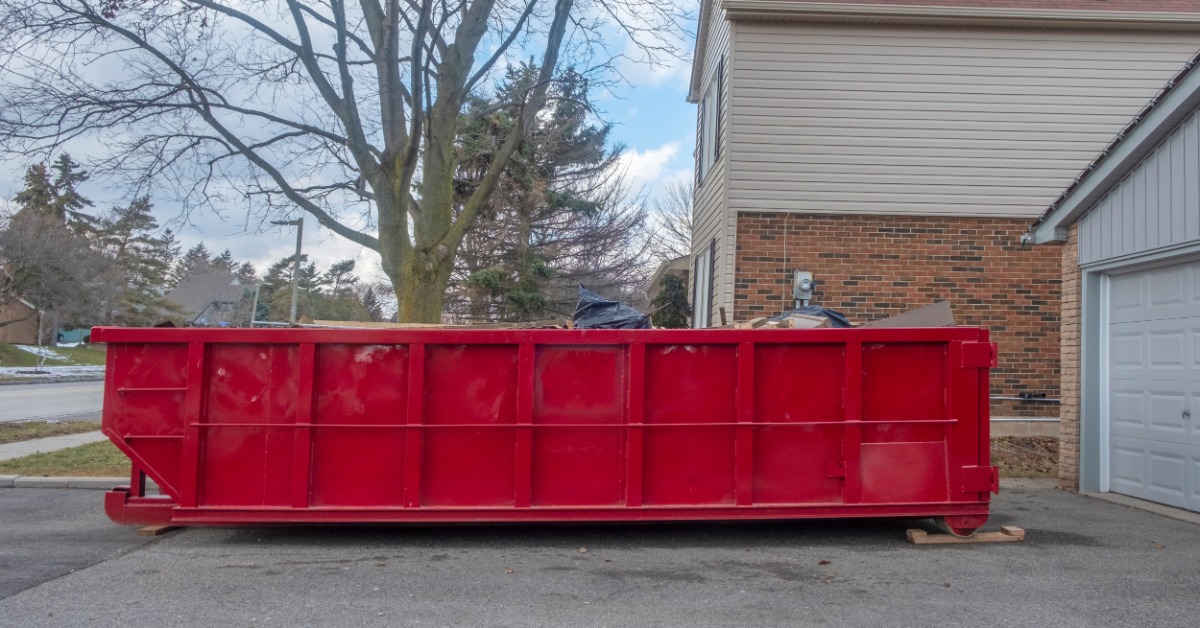
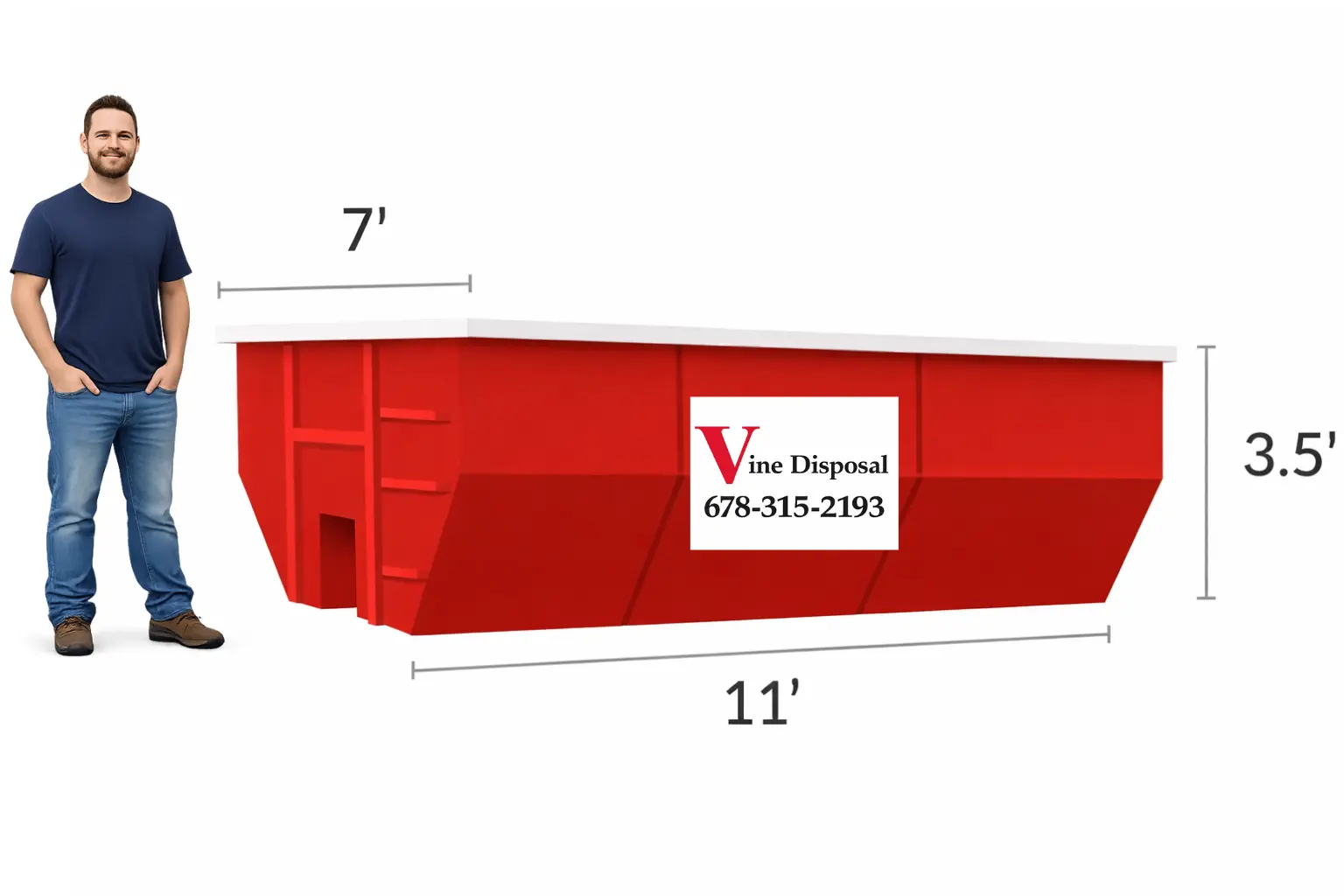
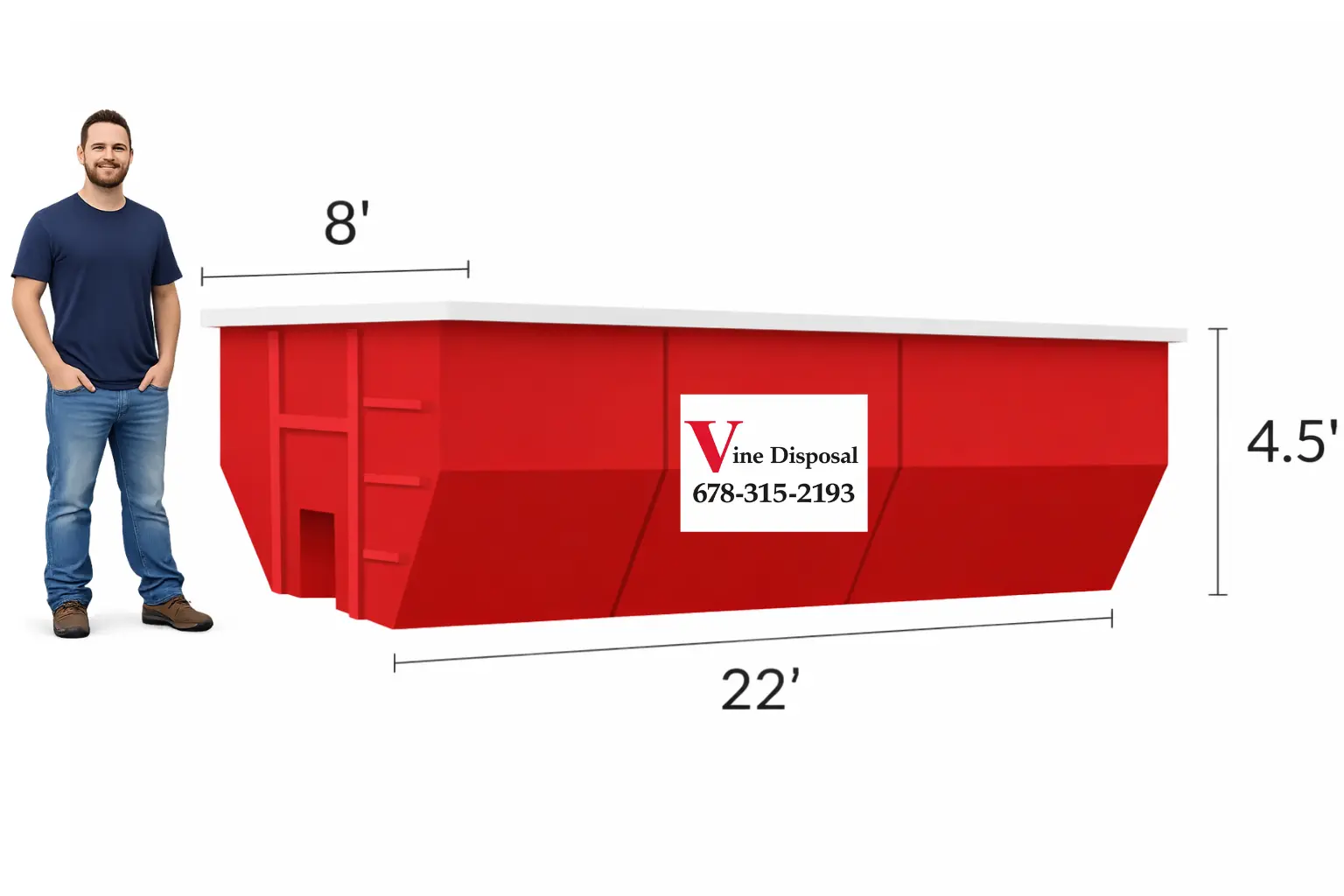
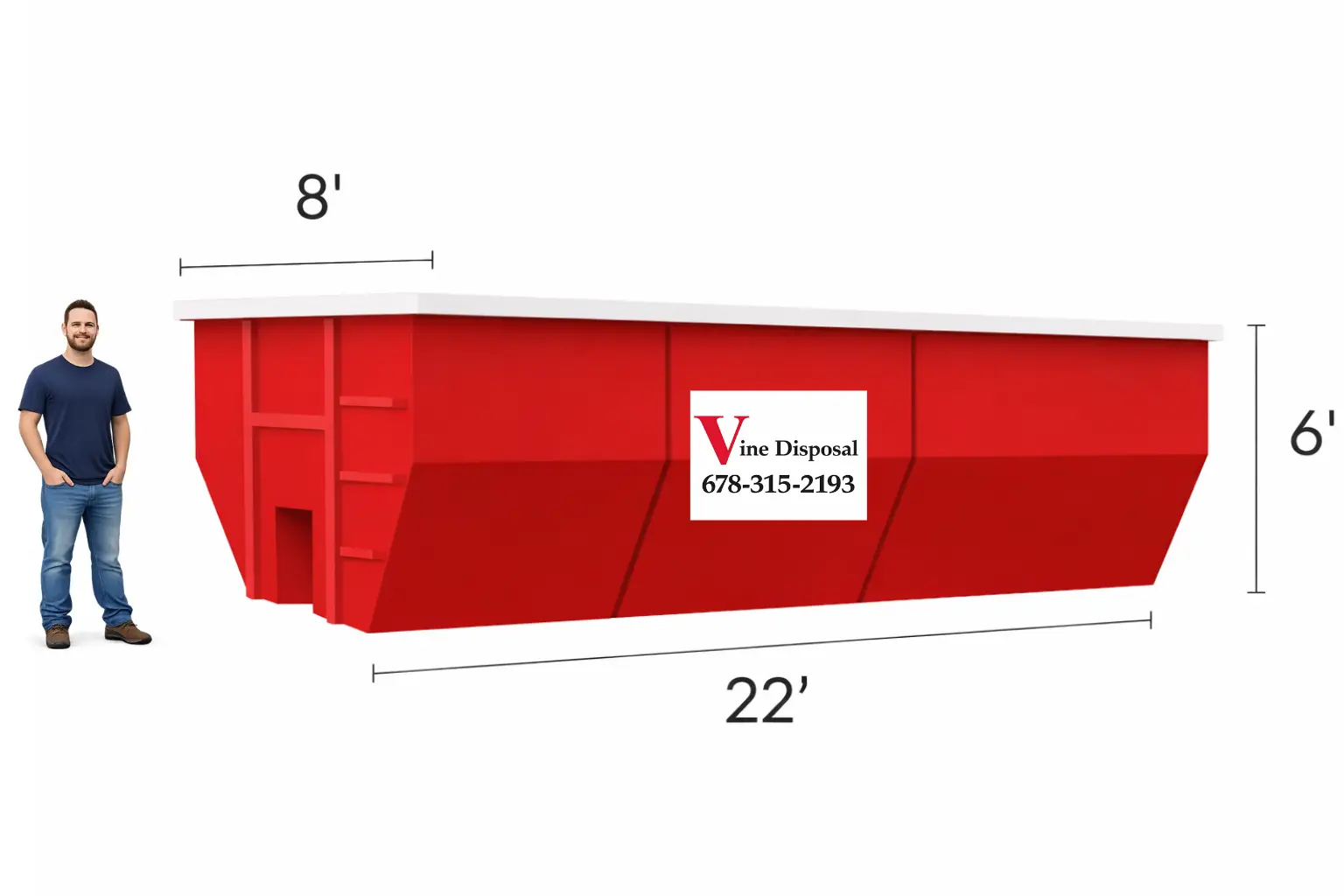
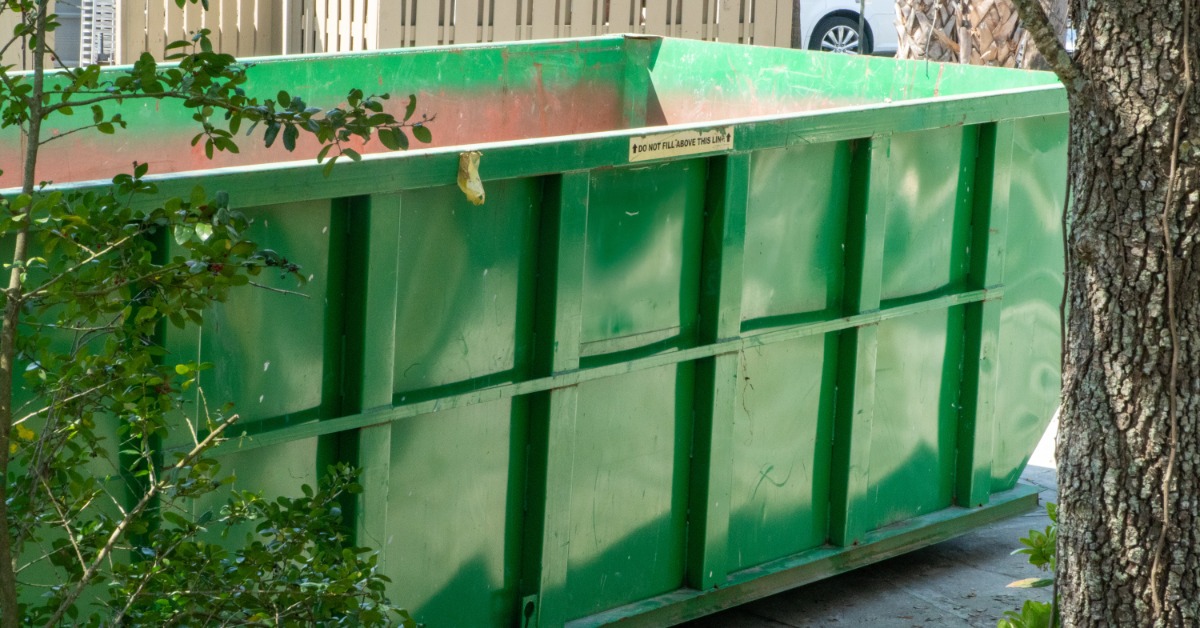
One of the greatest challenges during deck removal involves finding enough space for discarded lumber. Broken boards can accumulate rapidly, and ordinary household trash containers rarely provide sufficient capacity. A dedicated dumpster offers a practical solution for substantial demolition waste.
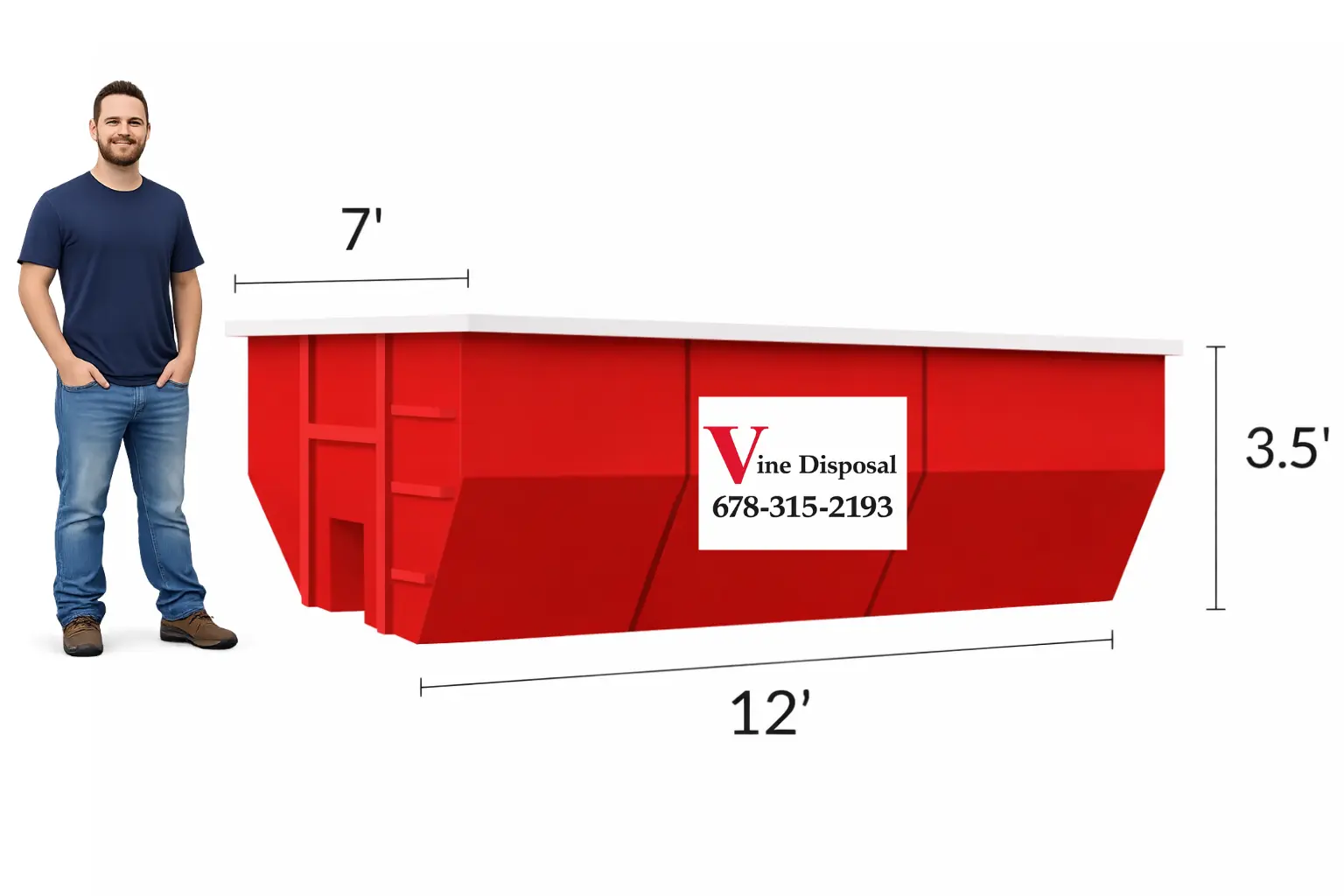
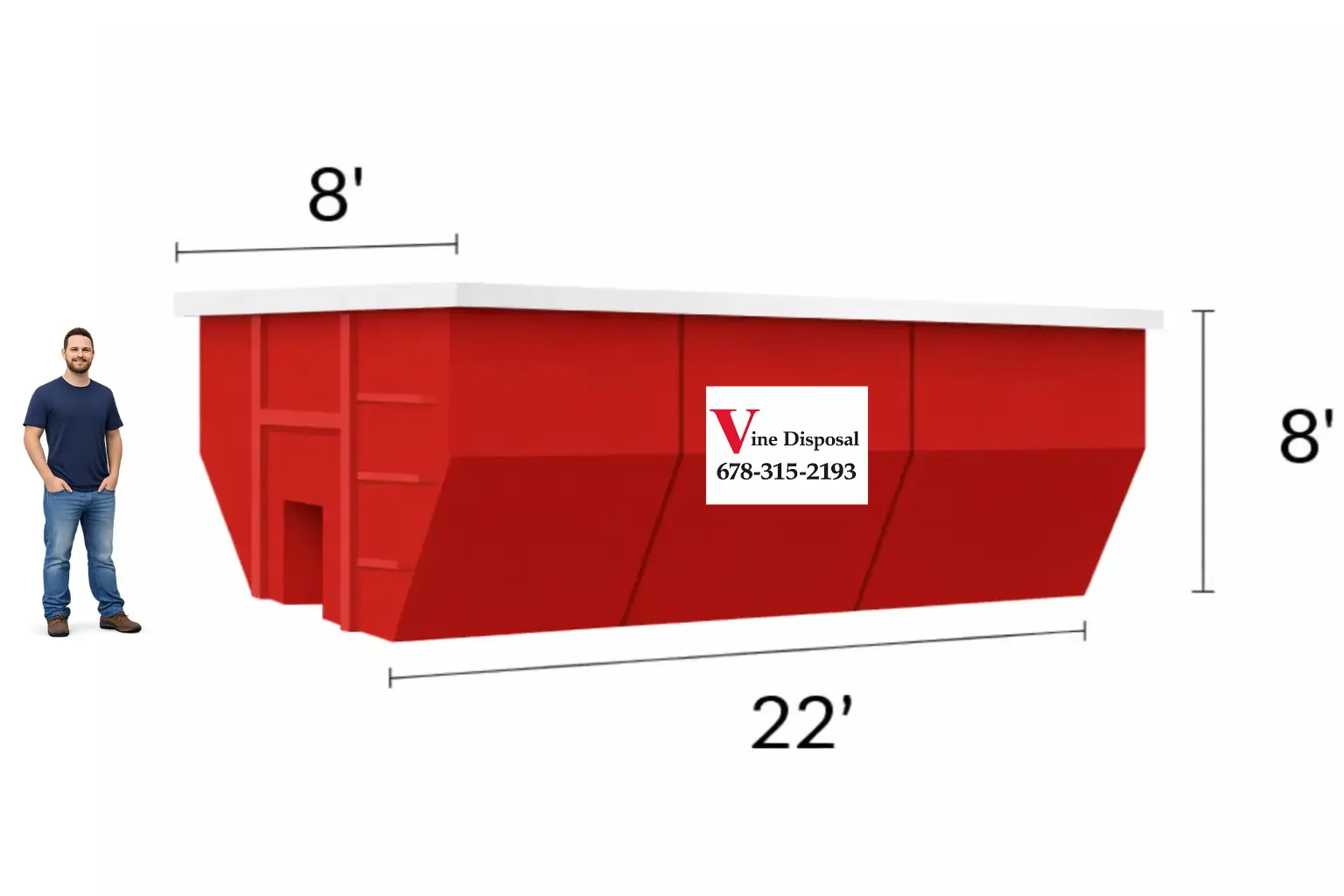
A 12-yard dumpster rental is perfect for projects that produce moderate amounts of deck debris without exceeding the container's weight restrictions. However, homeowners should estimate the total material volume before selecting a rental. The right dumpster helps prevent unnecessary disposal trips and keeps the work area more manageable throughout demolition.
Prevent Injuries From Exposed Hardware
Deck demolition often reveals hidden hazards beneath the wooden surface. Old nails and screws can remain embedded in damaged boards or fall onto the ground during removal. These sharp objects pose a risk to anyone who enters the work area.
Homeowners should take extra precautions when handling discarded lumber. Protective equipment and careful material removal help reduce accidental injuries. Once demolition ends, a thorough inspection of the surrounding ground can reveal small metal fragments that might otherwise remain unnoticed.
Protect the Yard From Unnecessary Damage
Heavy deck debris can cause considerable damage to a landscaped property. Discarded lumber may crush grass or leave marks across delicate outdoor surfaces. Without a designated removal route, workers may also disturb areas far beyond the original deck.
Homeowners can minimize these problems through thoughtful preparation. Establishing a direct path between the demolition site and the waste container reduces unnecessary contact with vulnerable landscape features. A carefully managed cleanup helps preserve the yard and prevents additional restoration work after the project.
Determine Whether Old Lumber Deserves Another Use
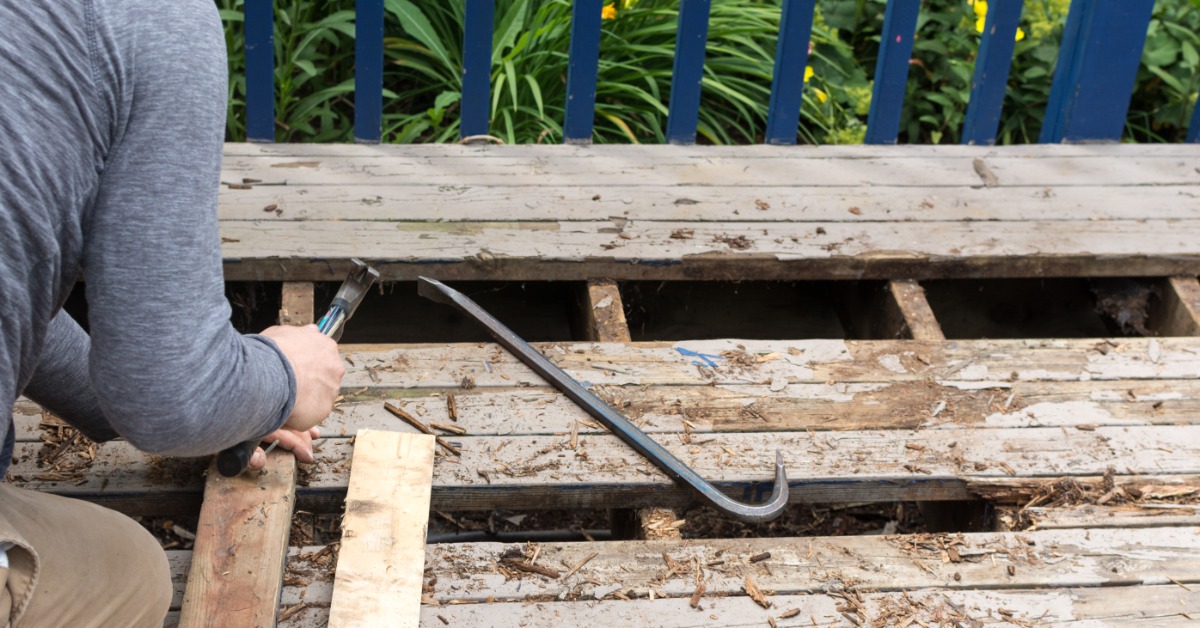
Not every board removed from a deck has reached the end of its useful life. Some wooden components may remain structurally sound despite years of outdoor exposure. Homeowners can examine these materials before deciding whether disposal is necessary.
However, reusable lumber requires careful evaluation. Hidden deterioration may affect the wood's reliability, even when its surface appears intact. Homeowners should also consider chemical treatment before repurposing old boards, particularly for applications that involve frequent human contact or exposure to garden soil.
Avoid Problems With Local Disposal Regulations
Local waste disposal regulations can significantly affect how homeowners manage deck demolition debris. Certain facilities impose restrictions on treated lumber or require construction materials to meet specific acceptance requirements. Failure to follow these rules may result in rejected waste loads or additional expenses.
Before demolition begins, homeowners should confirm the requirements established within their community. Dumpster placement may also require authorization when the container occupies a public street. Early communication with the appropriate authorities helps prevent delays and ensures the waste disposal process follows applicable regulations.
Maintain a Clear Work Area During Demolition
A disorganized demolition site can quickly become difficult to navigate. As workers remove deck sections, discarded boards may obstruct access to the remaining structure. These obstacles increase the risk of accidents and can interfere with the removal process.
Regular debris collection helps maintain a safer environment. Instead of allowing waste to accumulate across the property, workers should transfer materials to the designated disposal area throughout demolition. This approach keeps the project manageable and reduces the amount of cleanup required once the structure is gone.
Complete a Thorough Cleanup Before Future Improvements
Removing the final deck board does not necessarily mean the project is complete. Small wood fragments and hidden fasteners can remain scattered across the exposed ground. A careful final inspection helps homeowners identify these hazards before they begin another outdoor renovation.
The area beneath the former deck also deserves attention. Years of limited sunlight and moisture exposure may have affected the condition of the soil. Addressing these concerns after debris removal creates a more suitable foundation for future improvements and helps homeowners reclaim their outdoor space.
Understanding how to handle lumber and debris from a deck removal makes the entire renovation process easier and more manageable. Without proper waste disposal, discarded materials can create safety hazards and unnecessary delays. A reliable dumpster rental helps homeowners maintain a clean property throughout demolition.
At Vine Disposal, we make debris removal simple with dependable dumpster rental services tailored to your project's needs. We offer dumpster sizes for different projects, whether you need to remove an old deck or tackle a larger renovation. Contact Vine Disposal to find the right dumpster rental and prepare your outdoor space for its next transformation.